Specificities of Place
The Specificities of Place: Photography, spatial friction, and the built environment of Tennant Creek

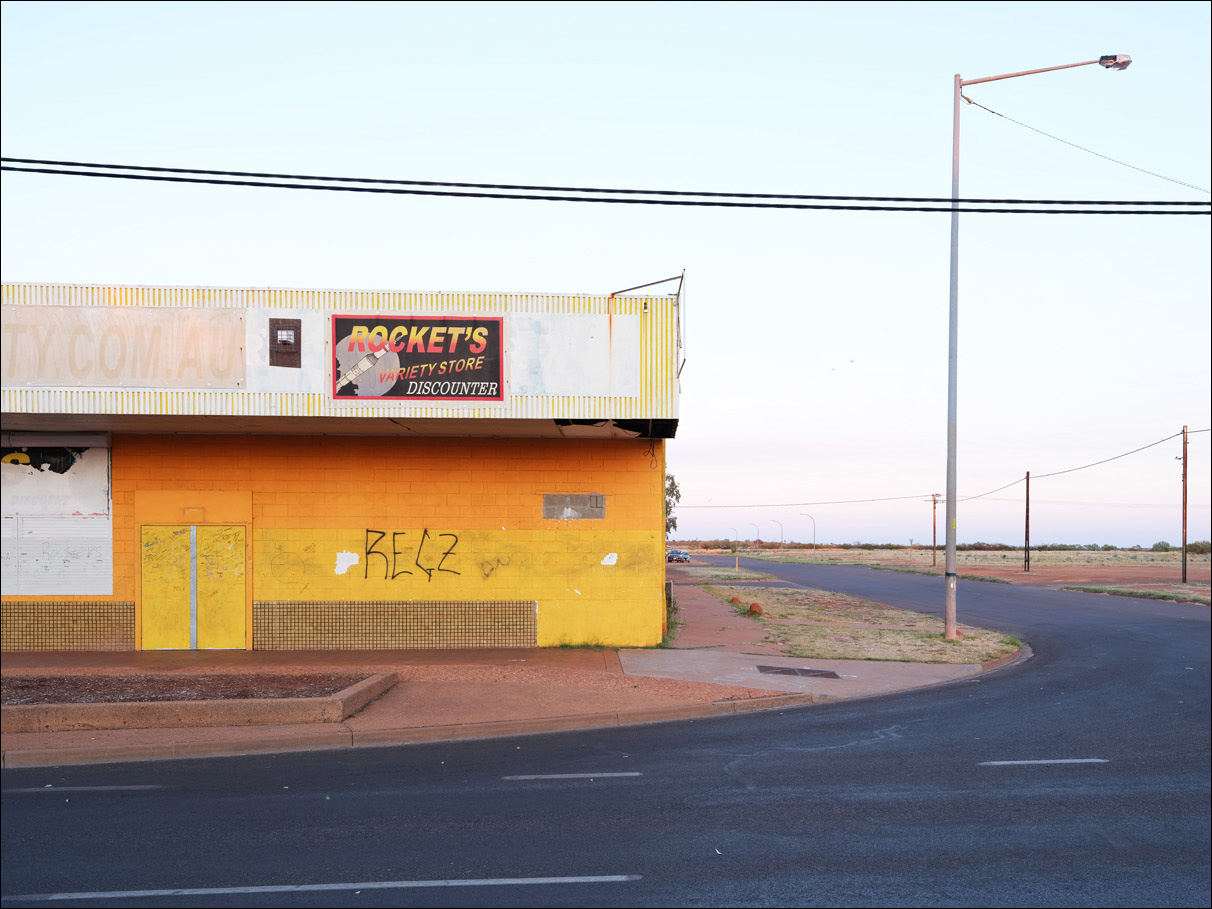
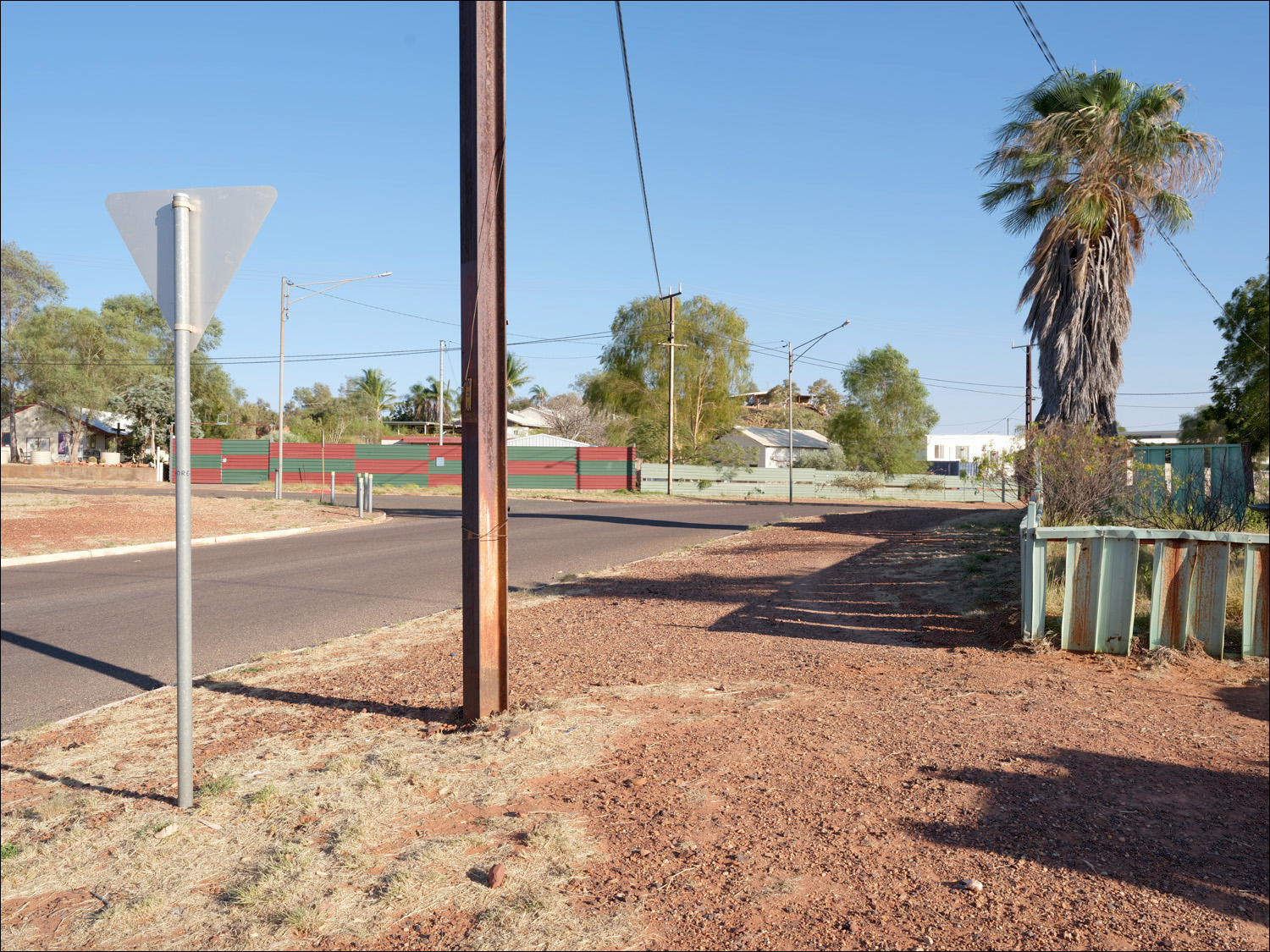
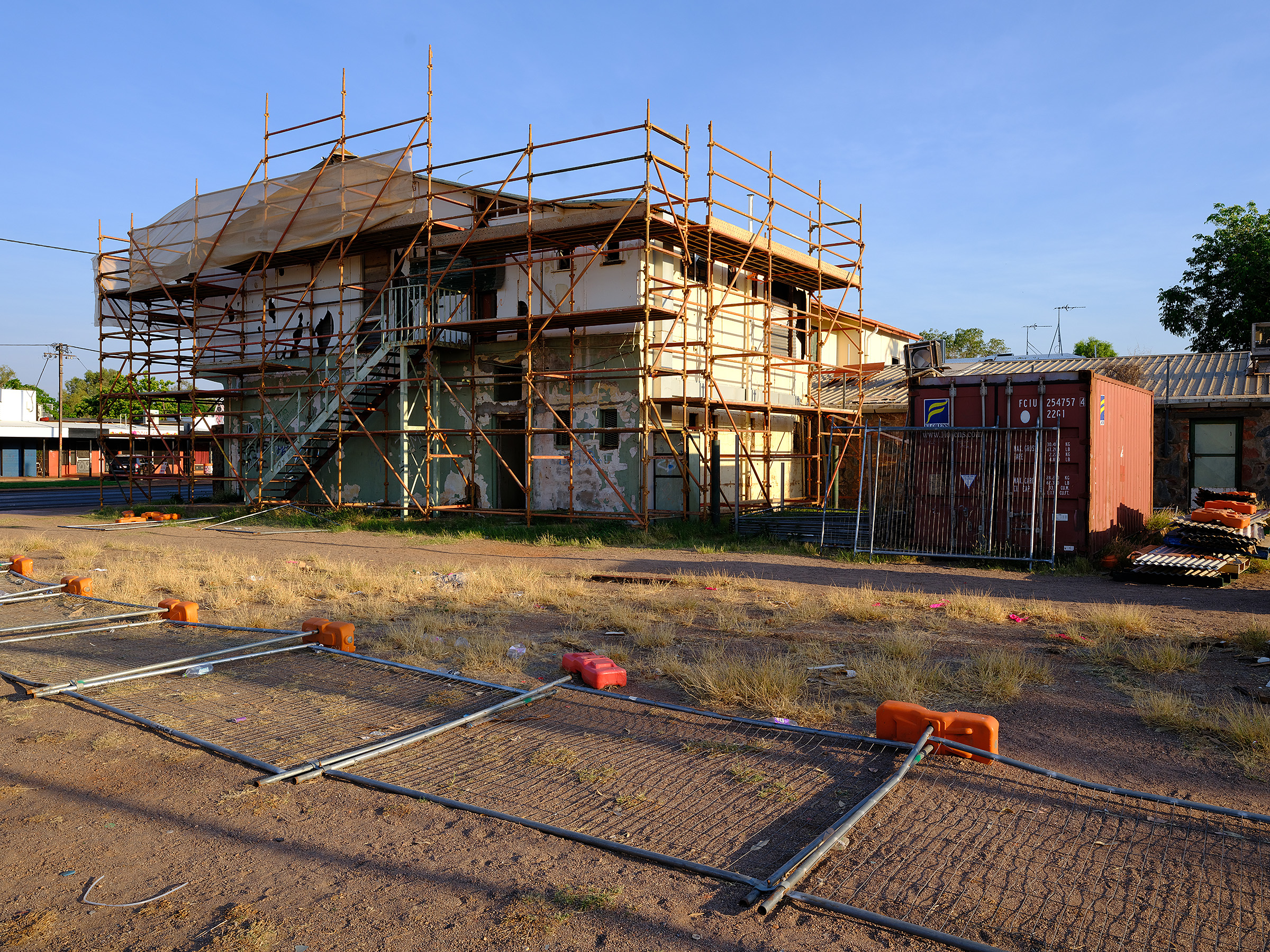
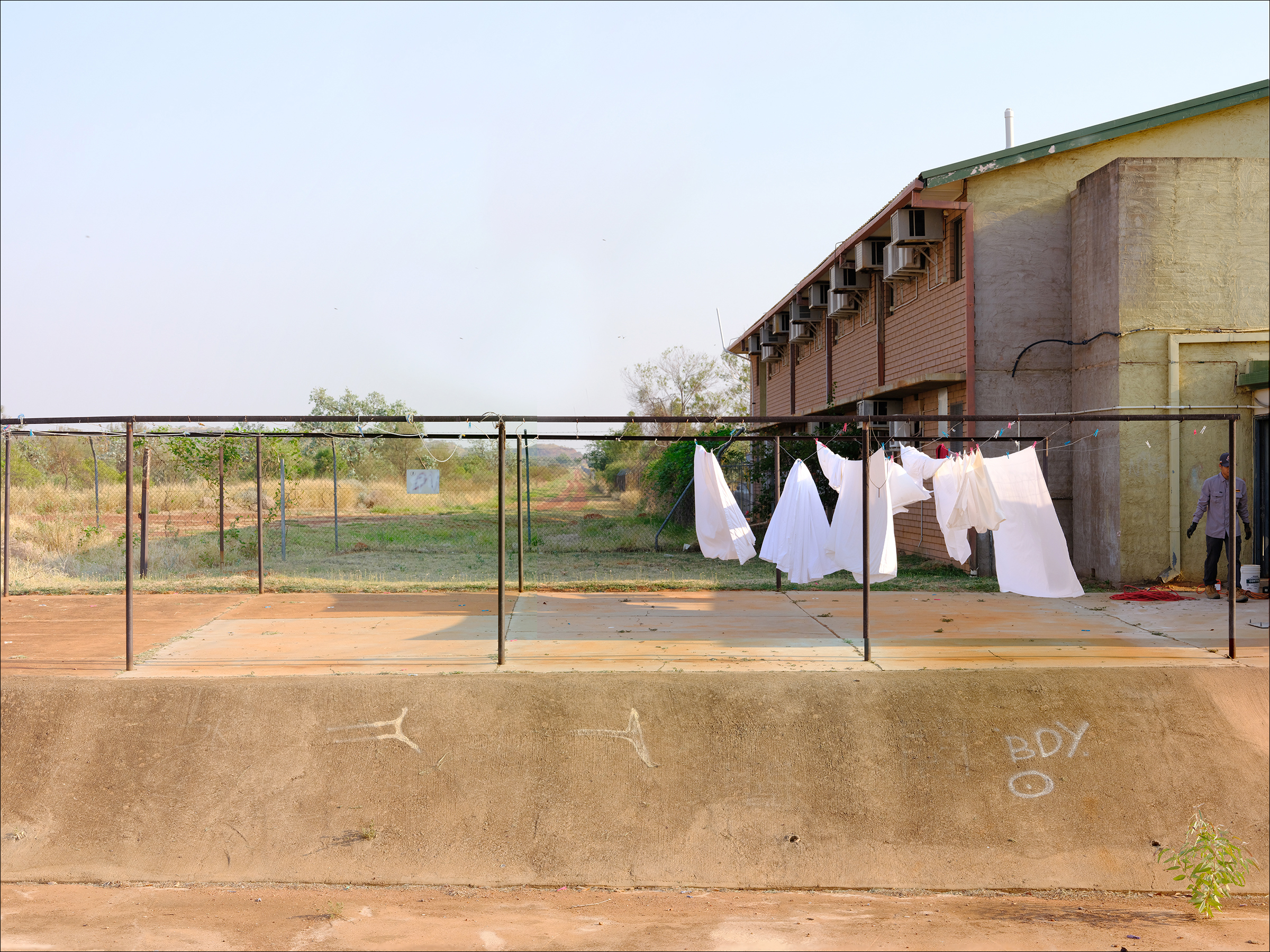
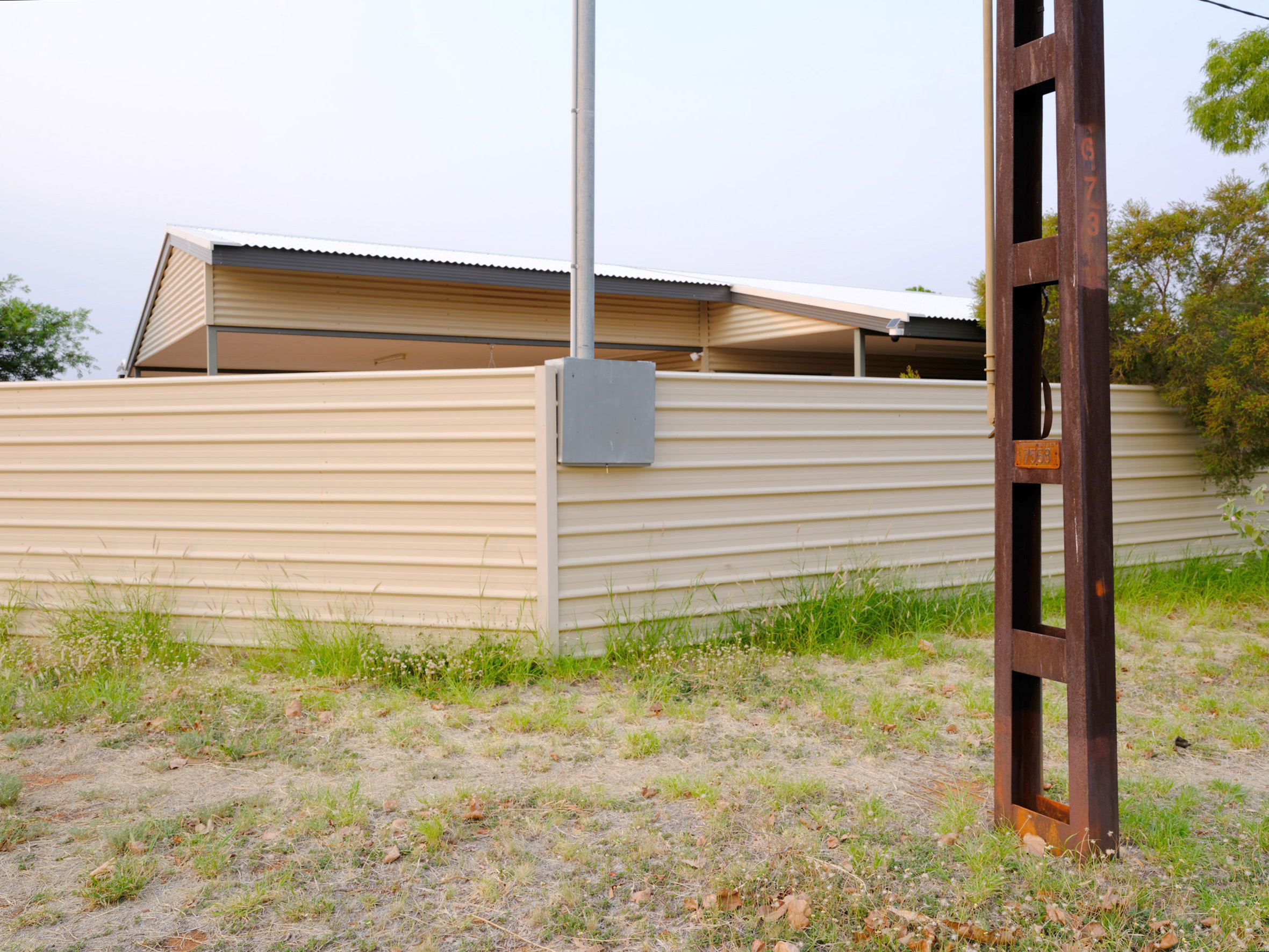
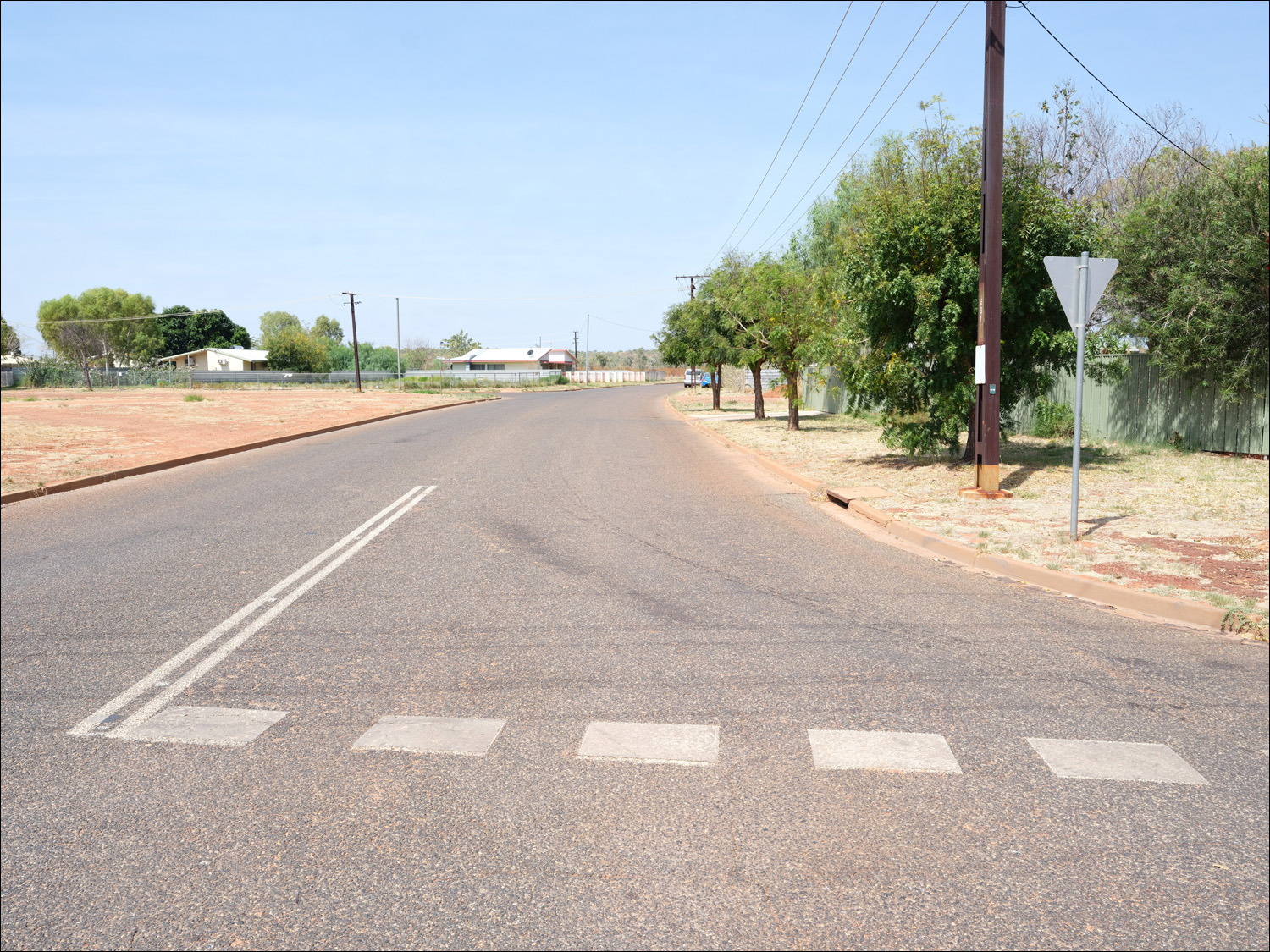
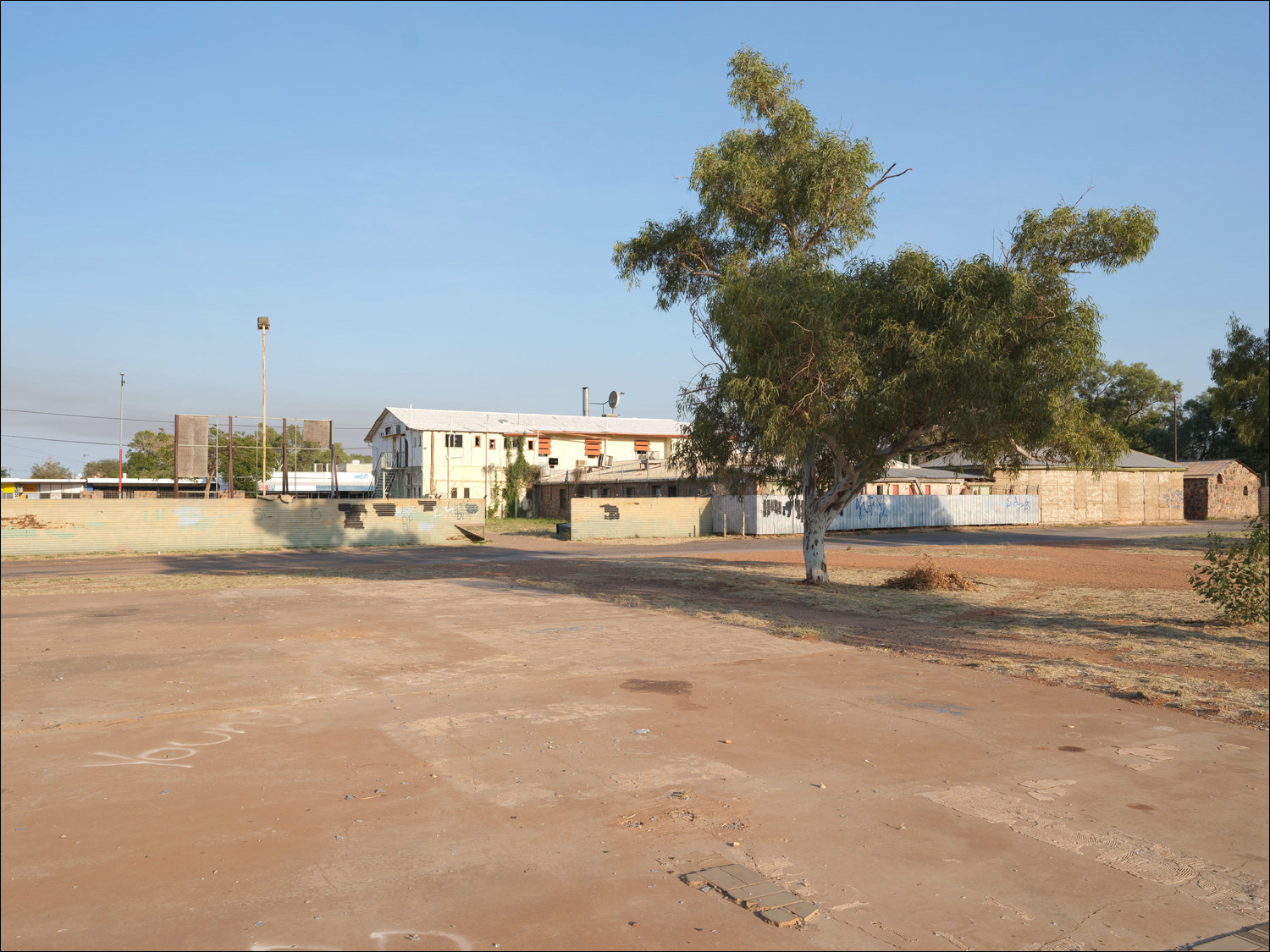
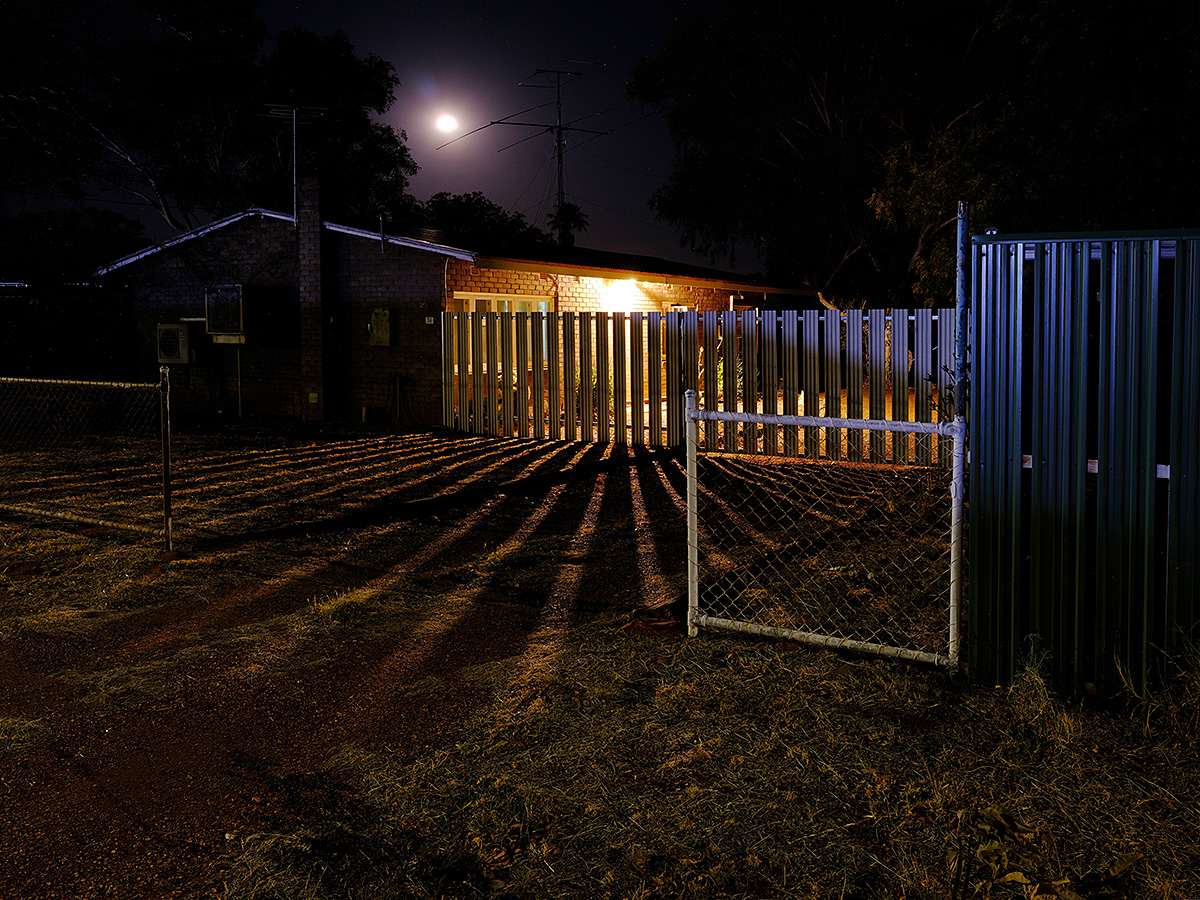
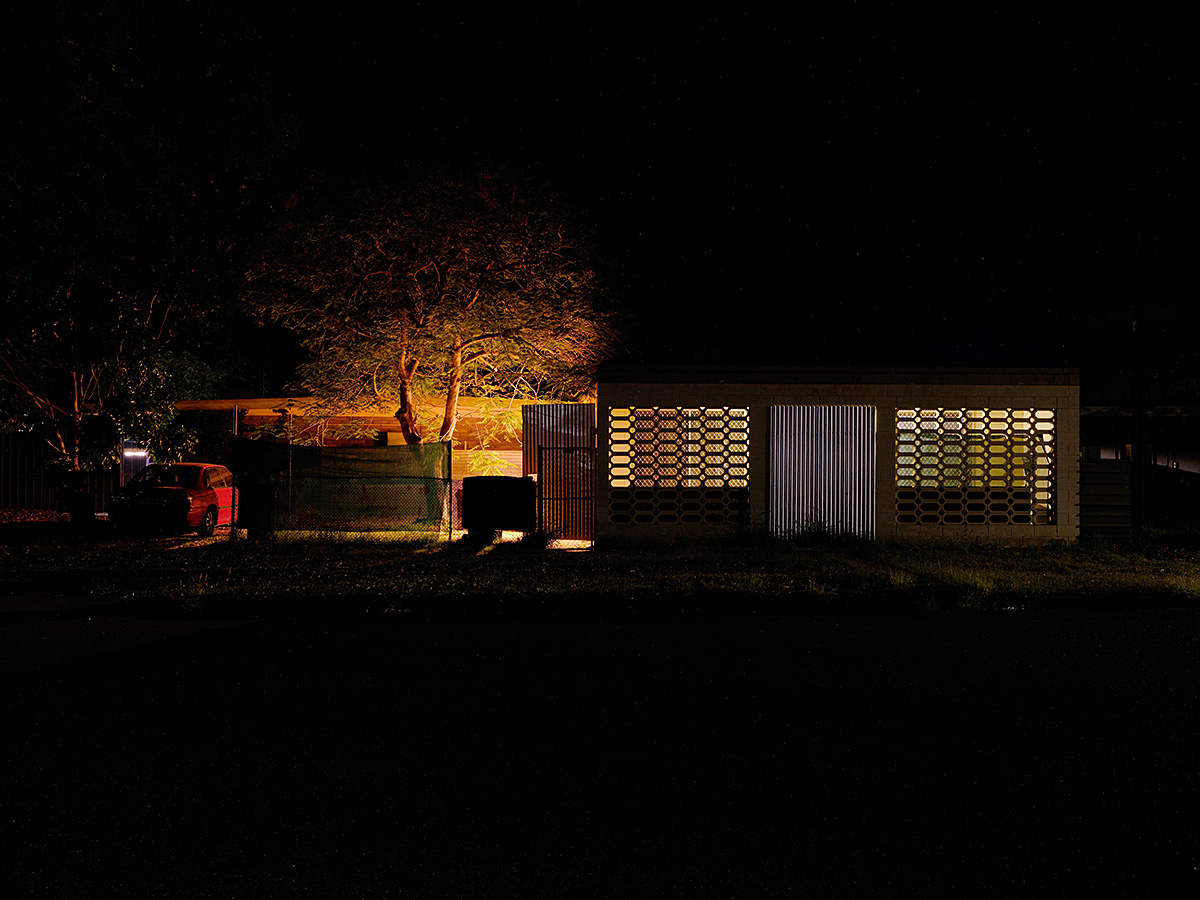
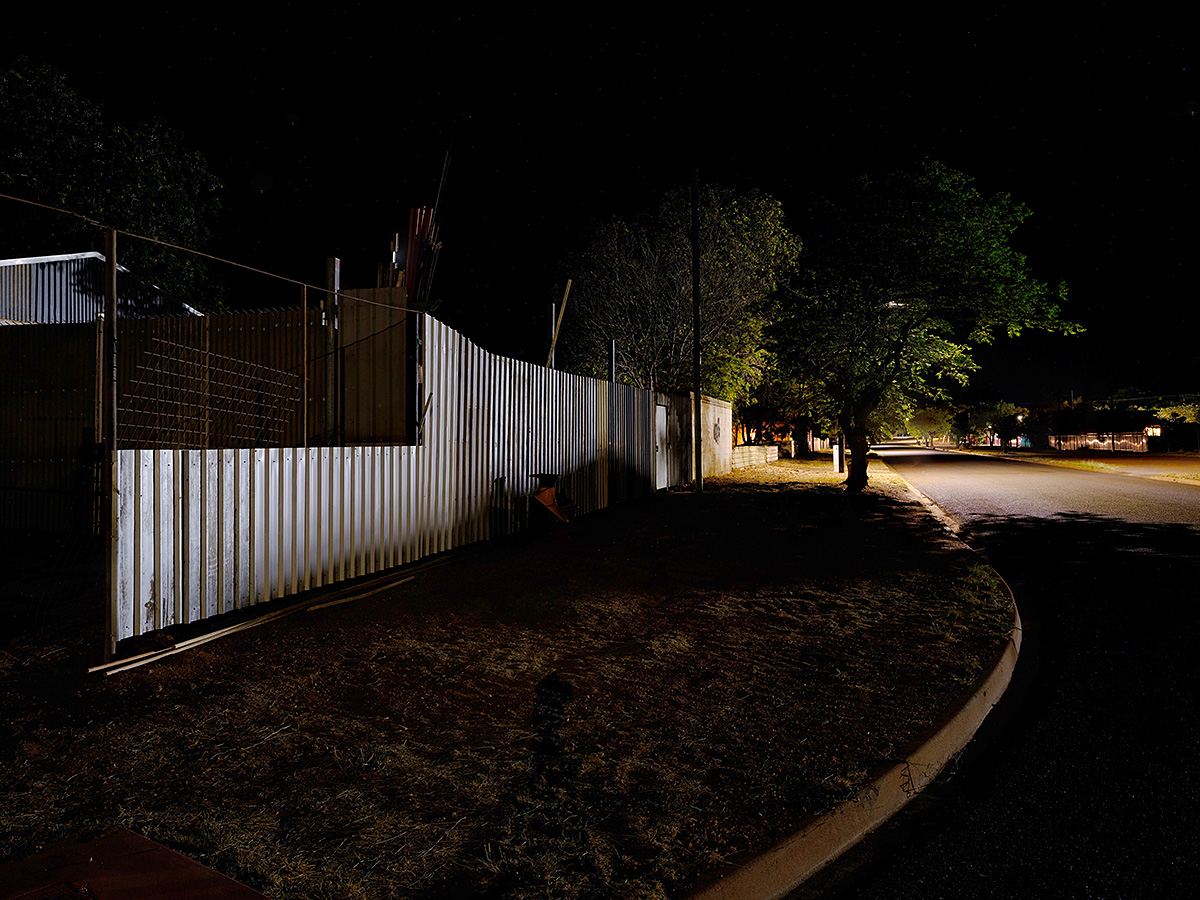
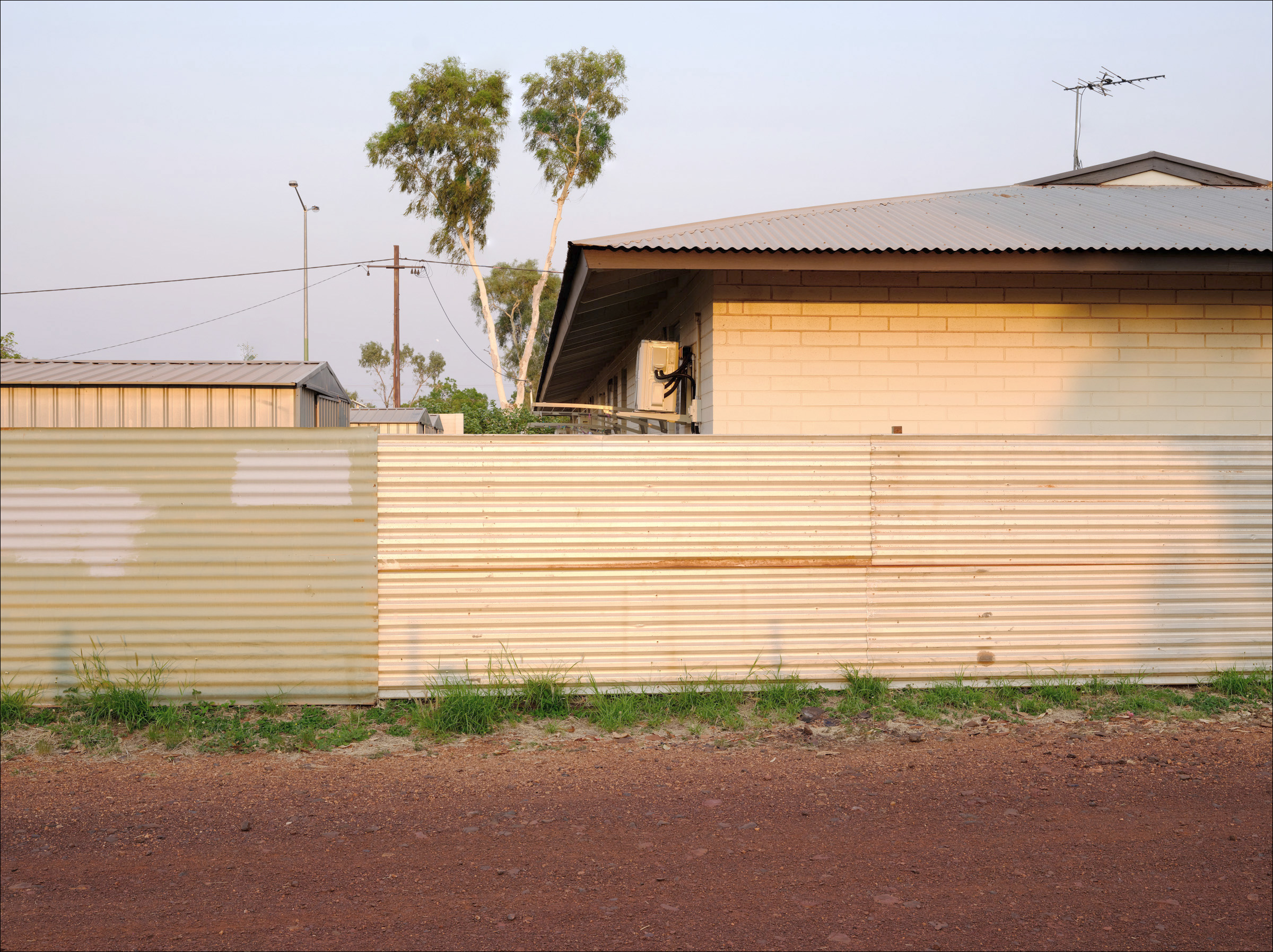
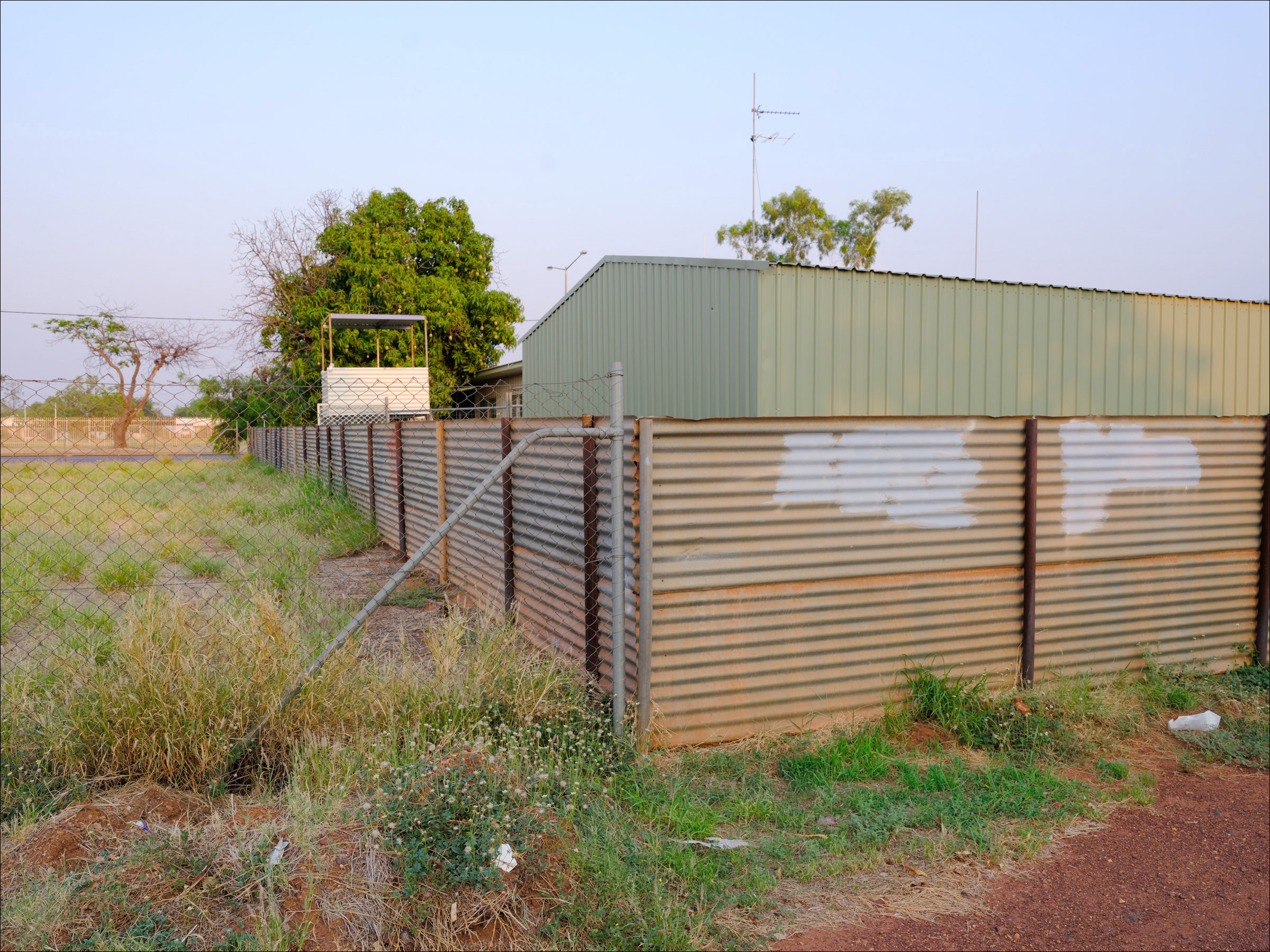
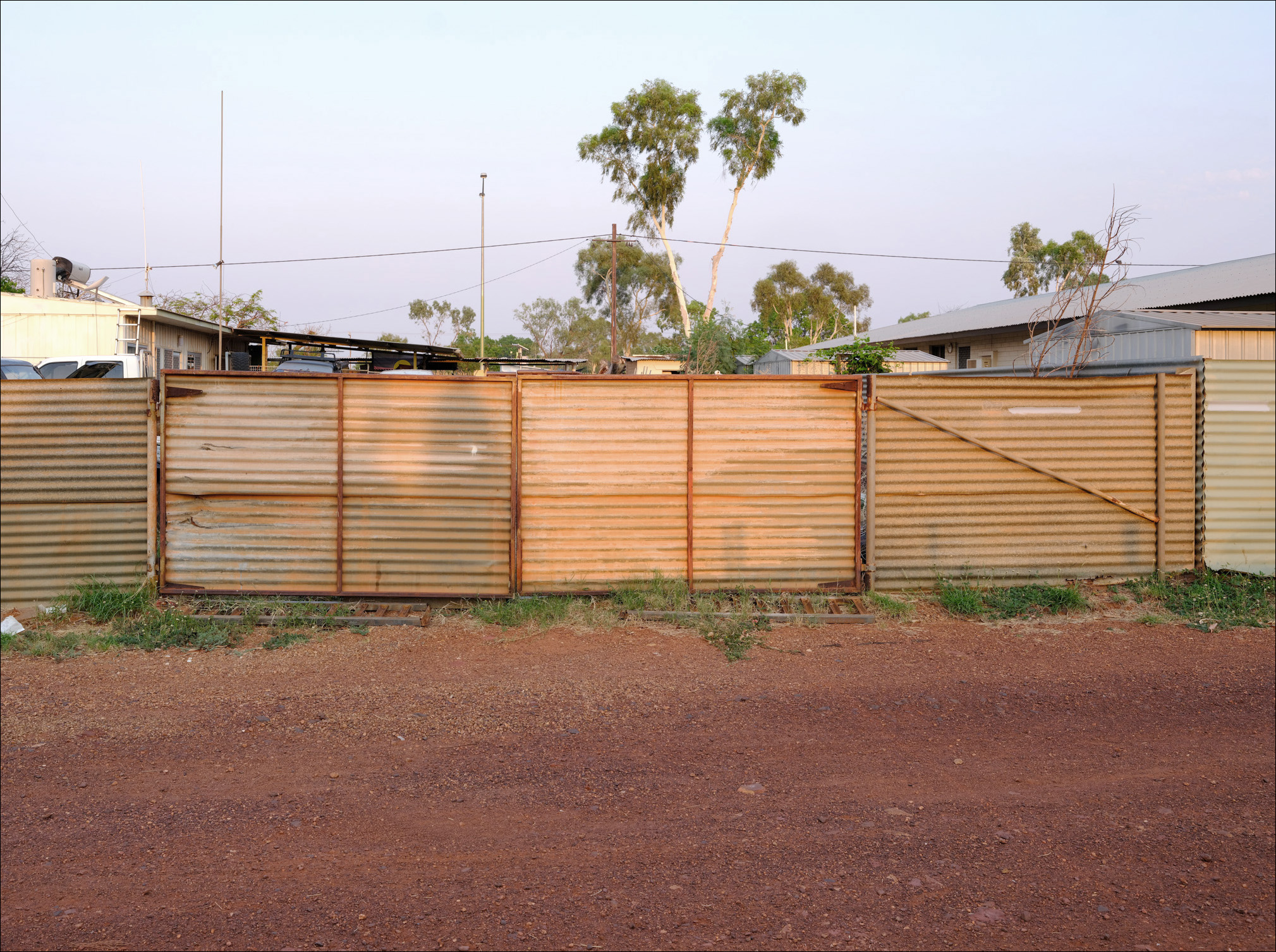
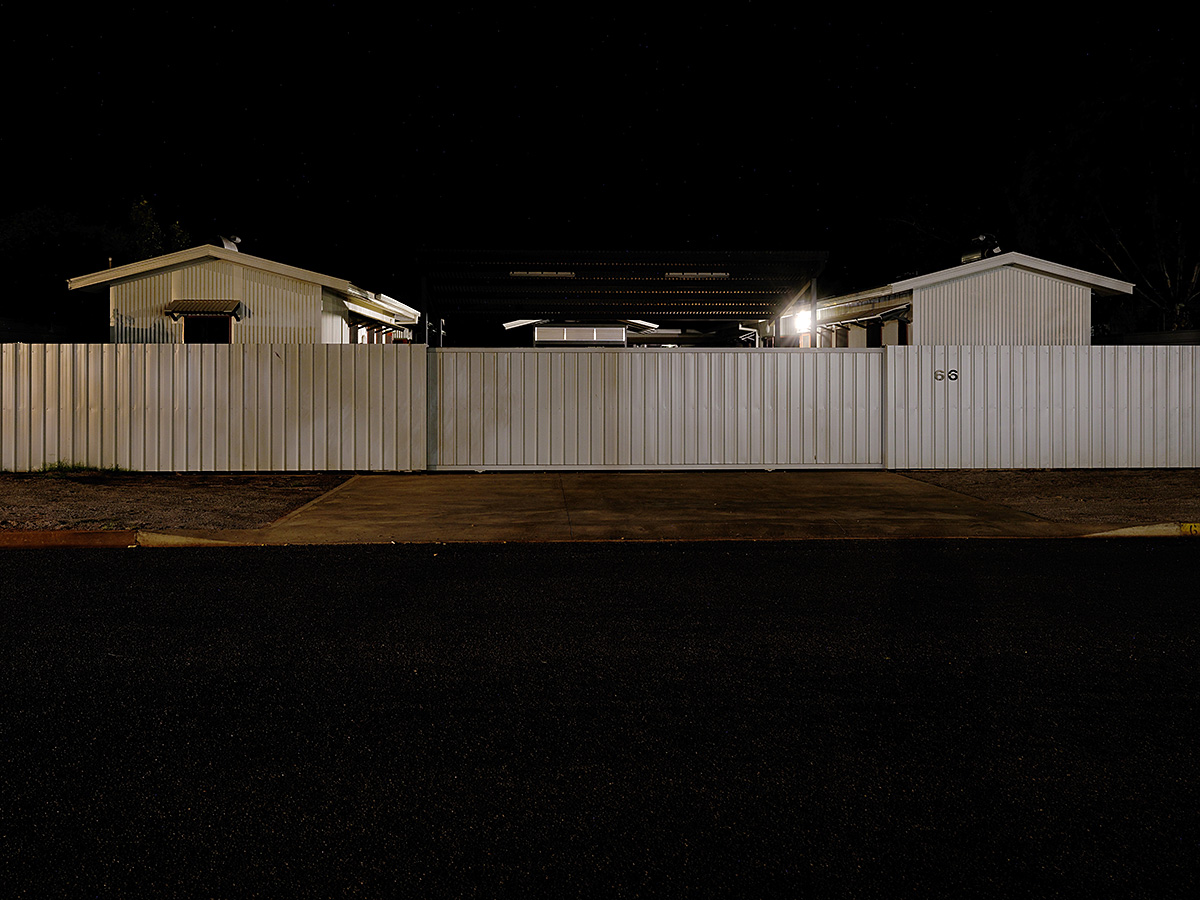
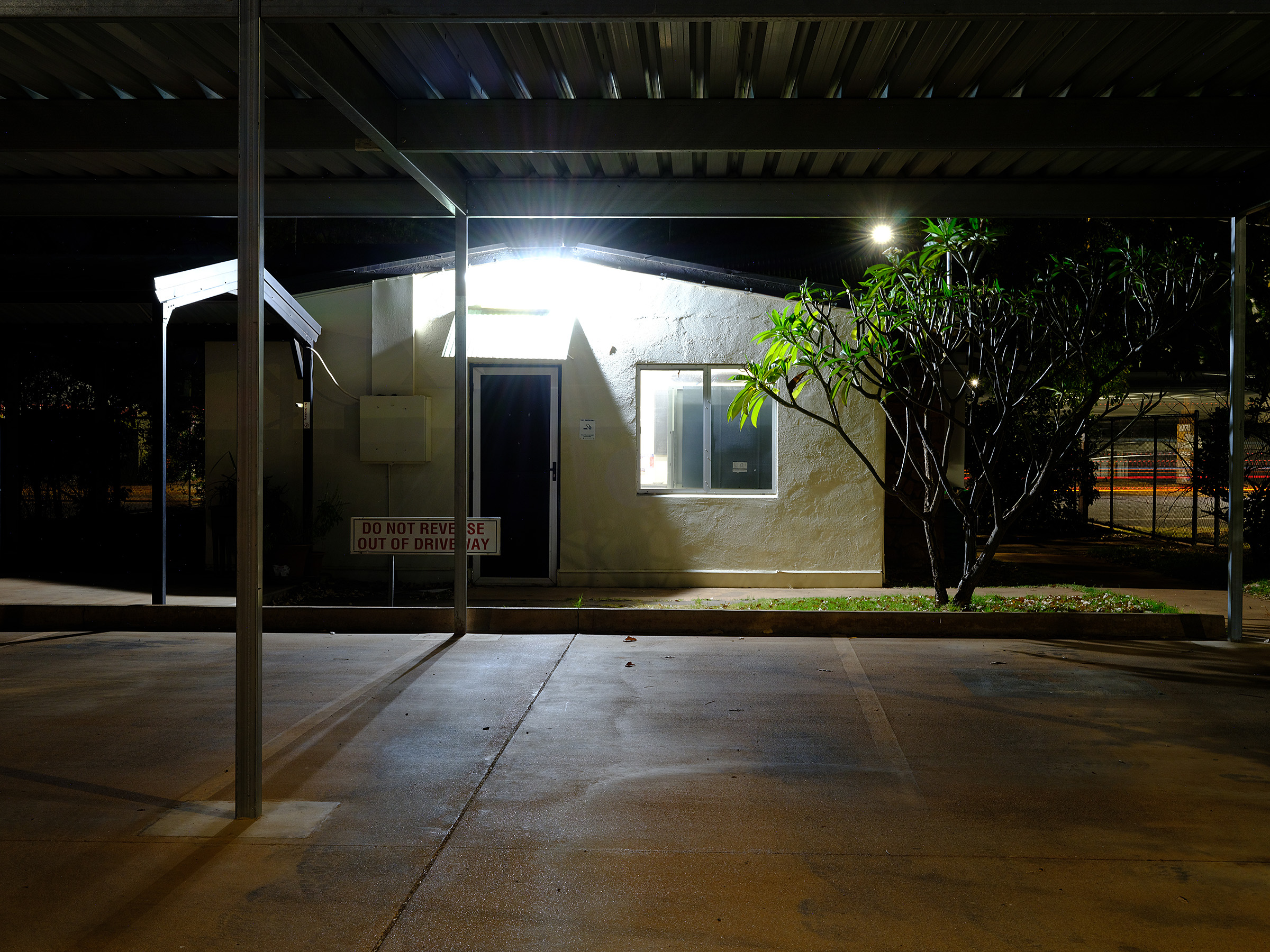
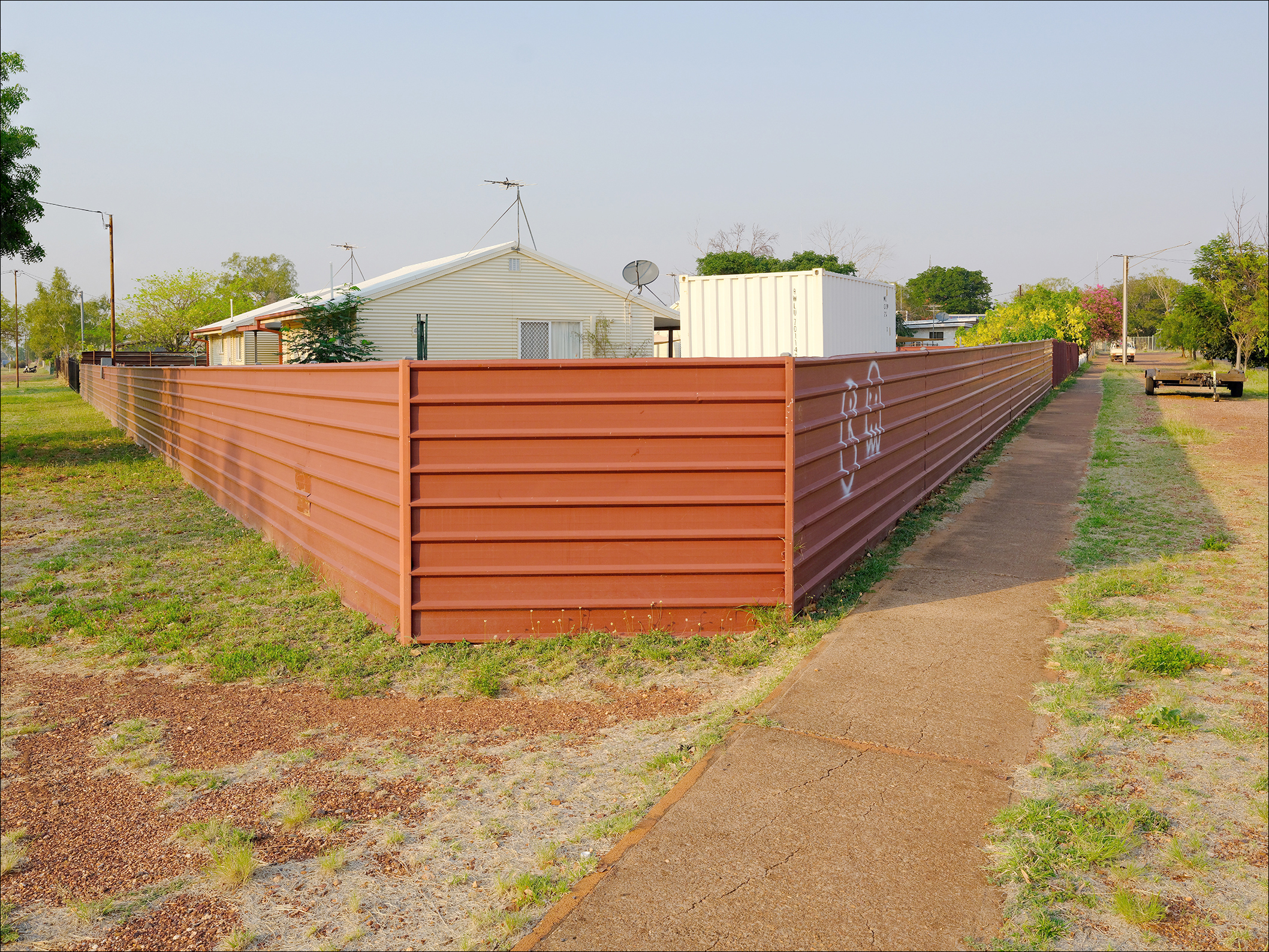
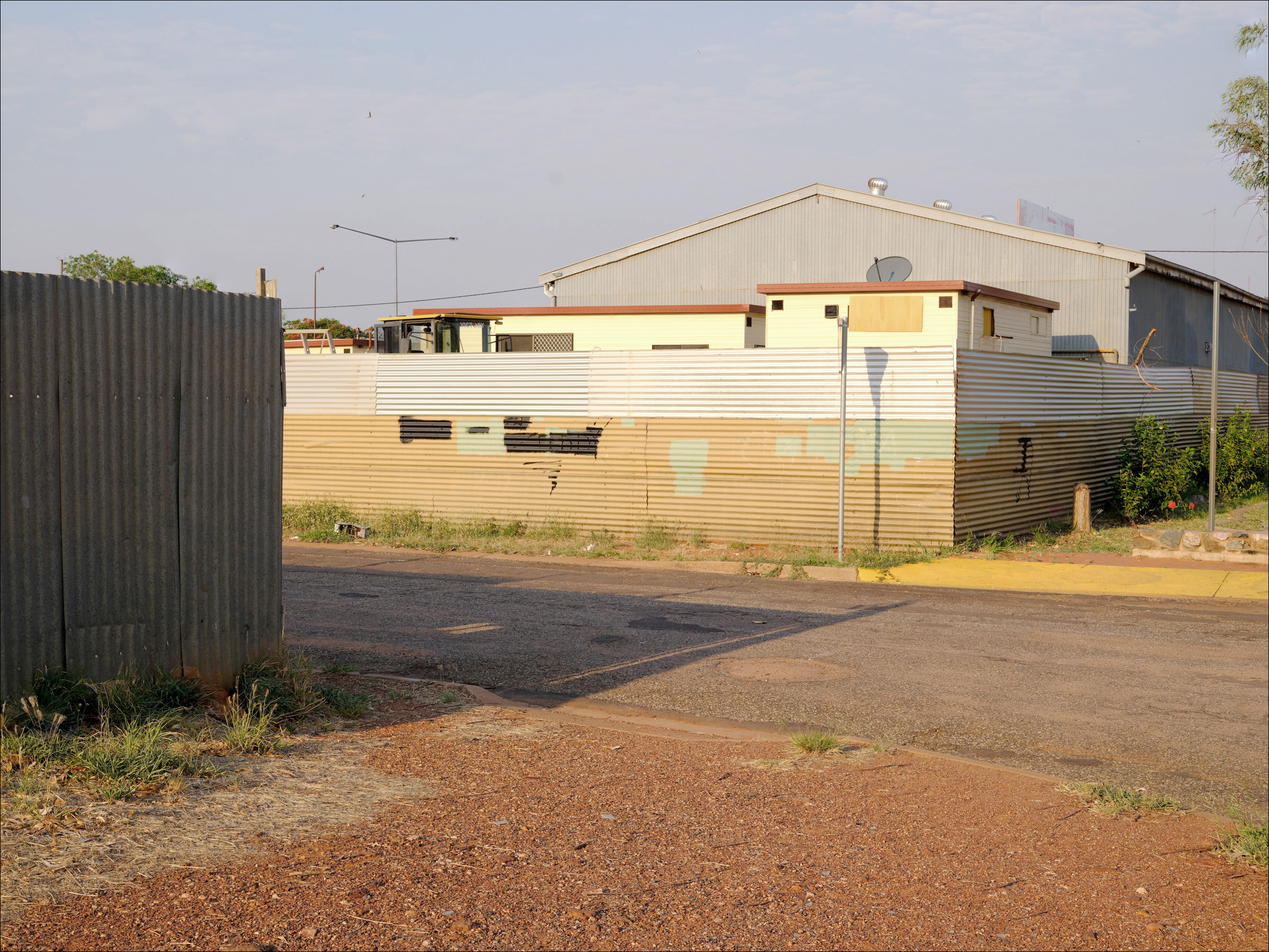
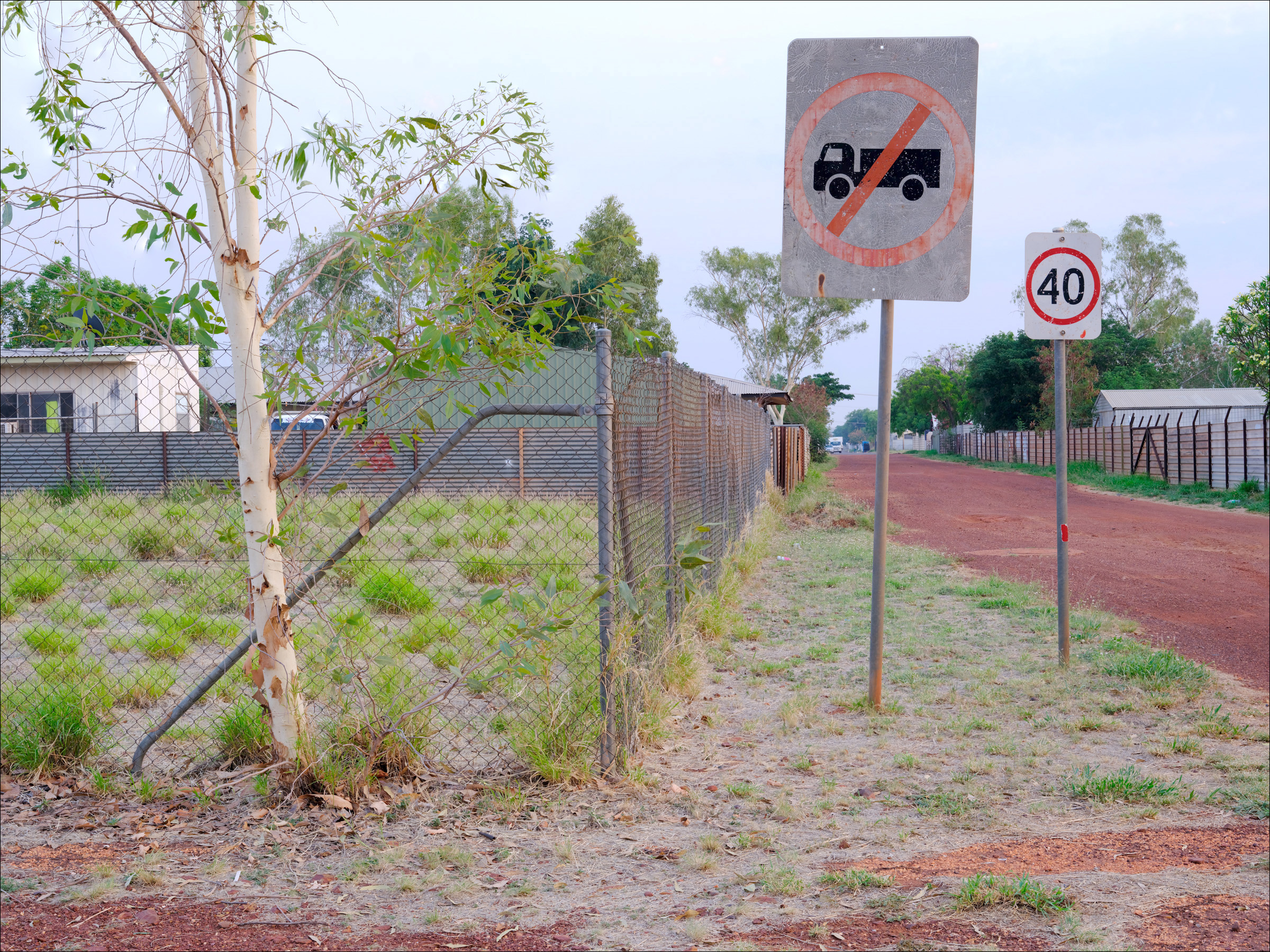
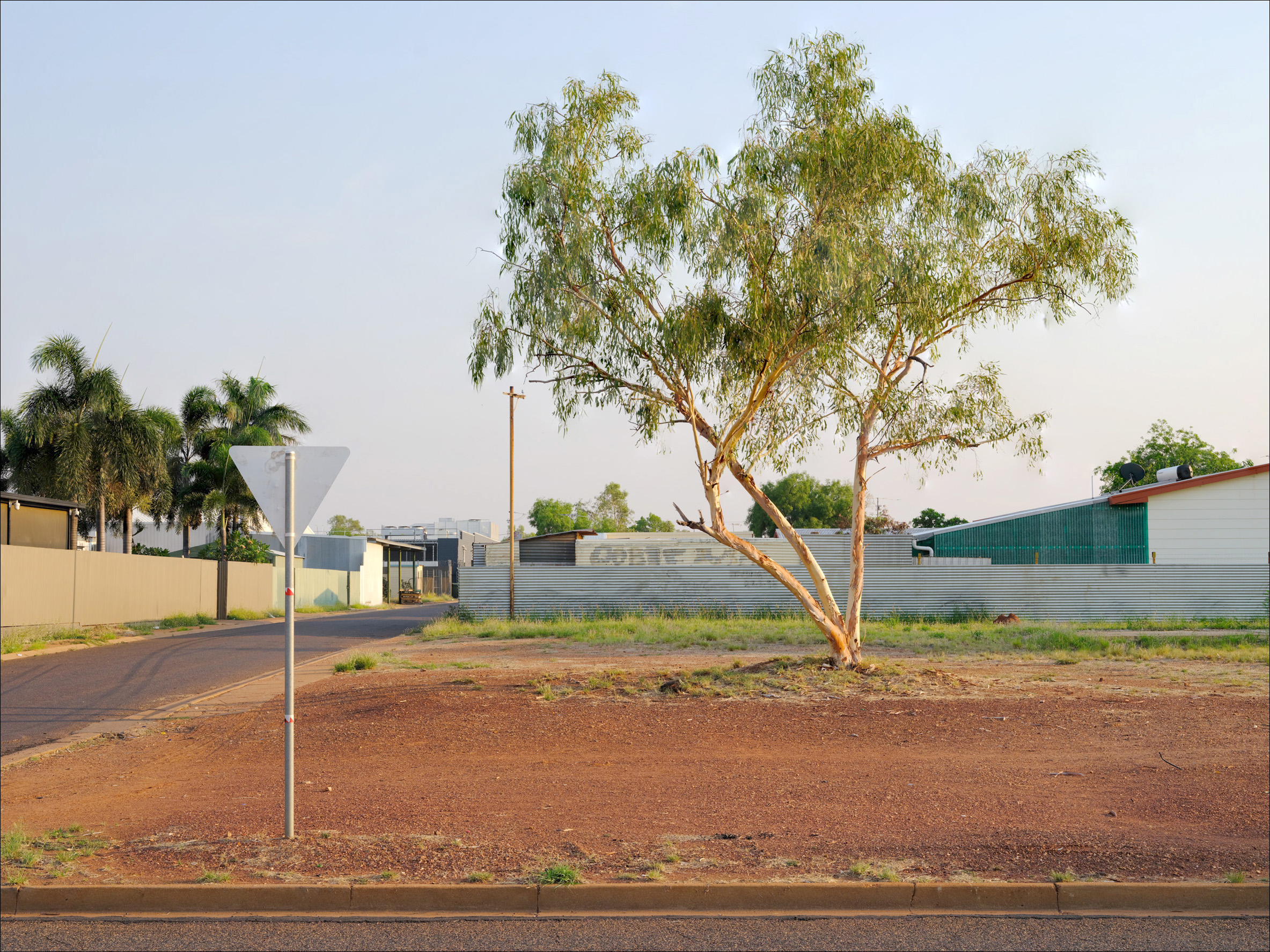
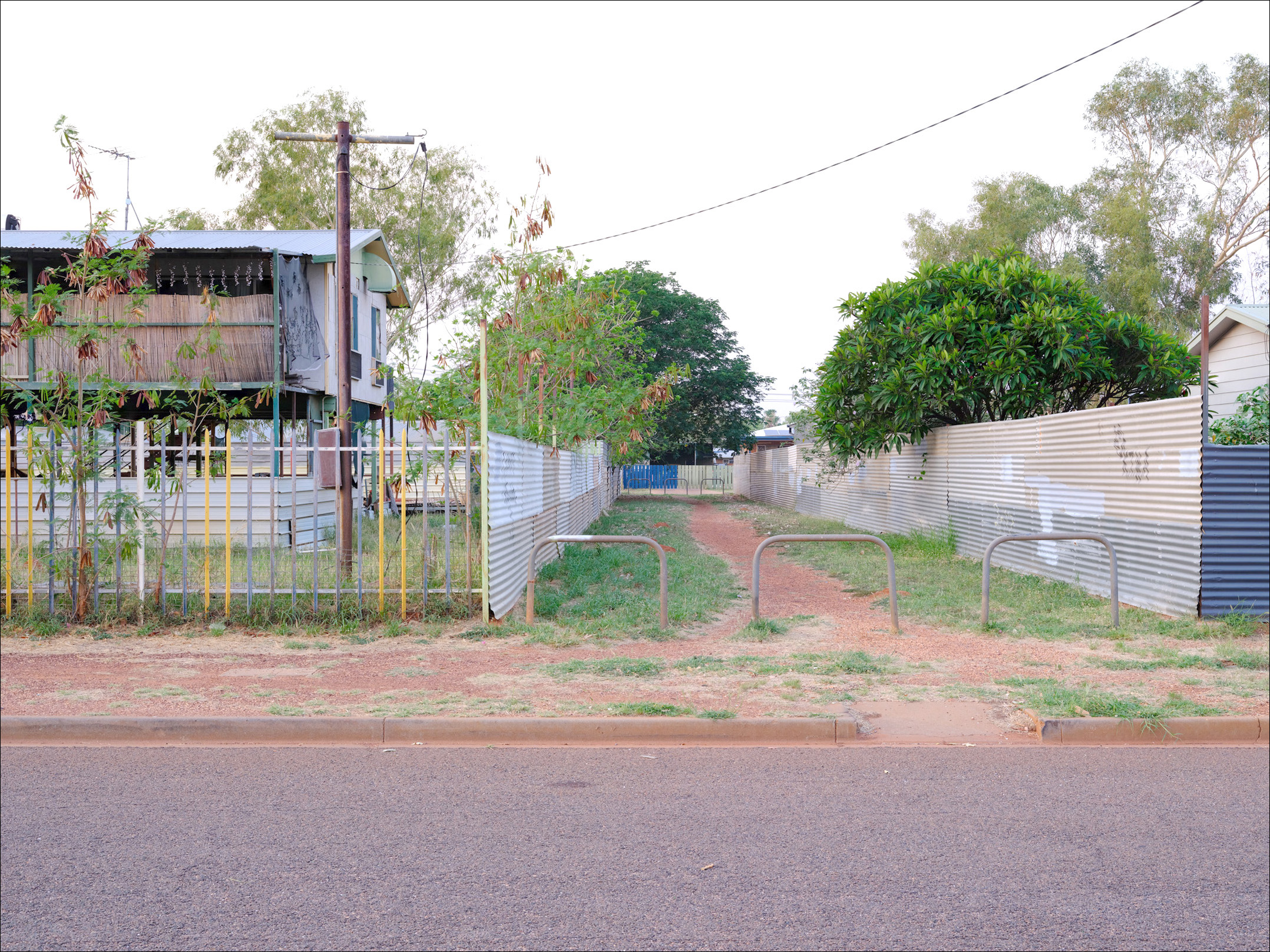
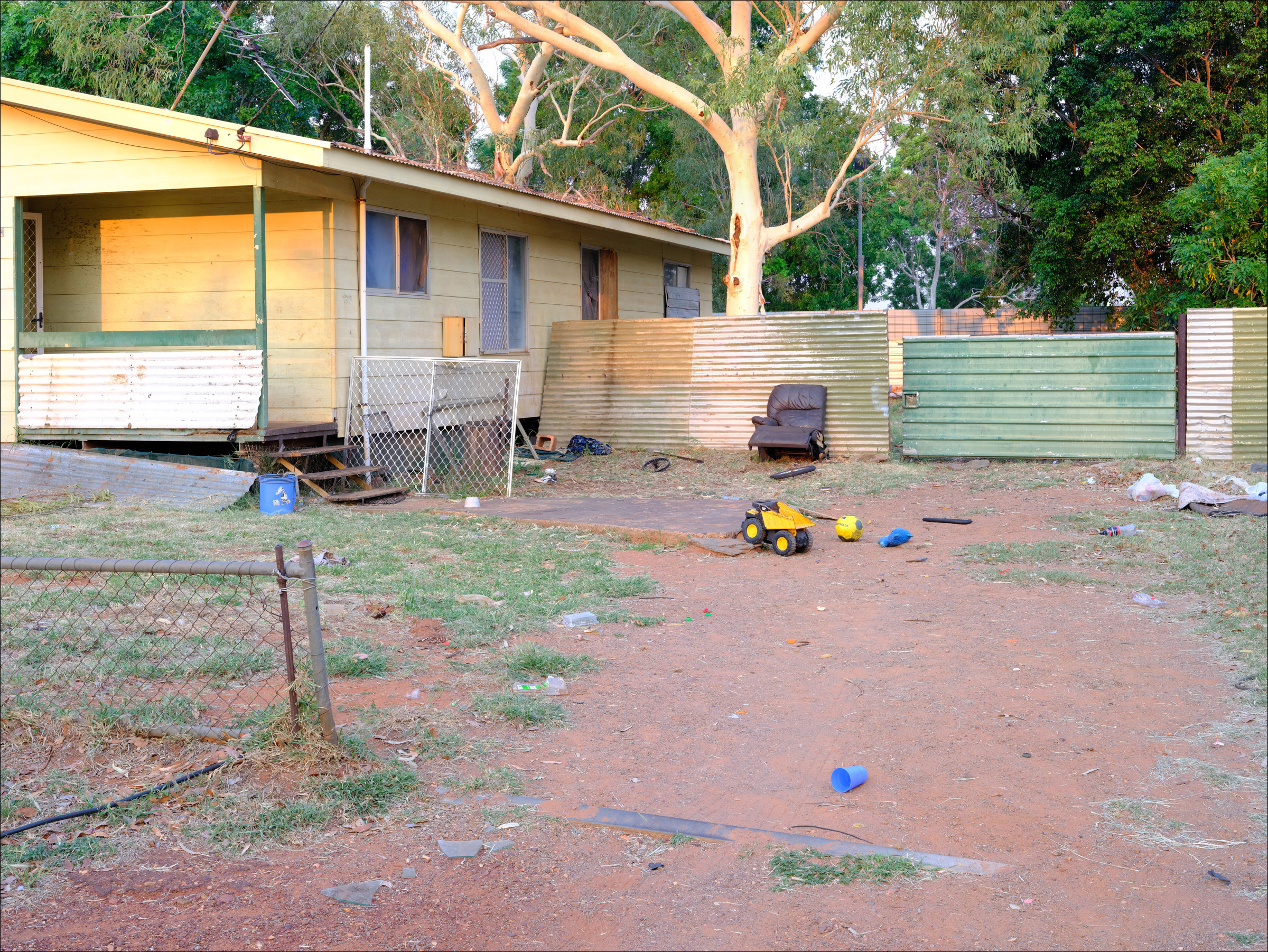
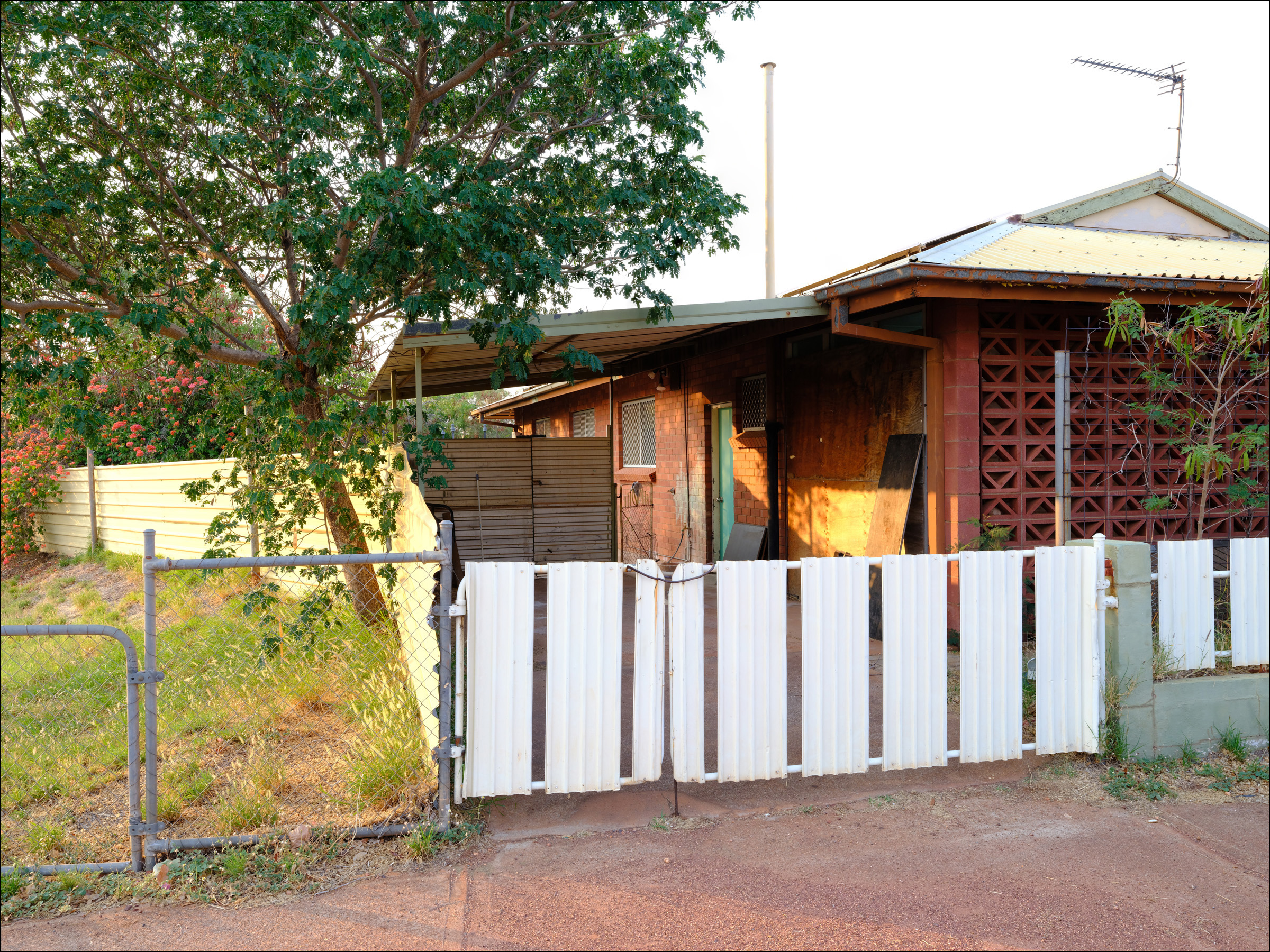
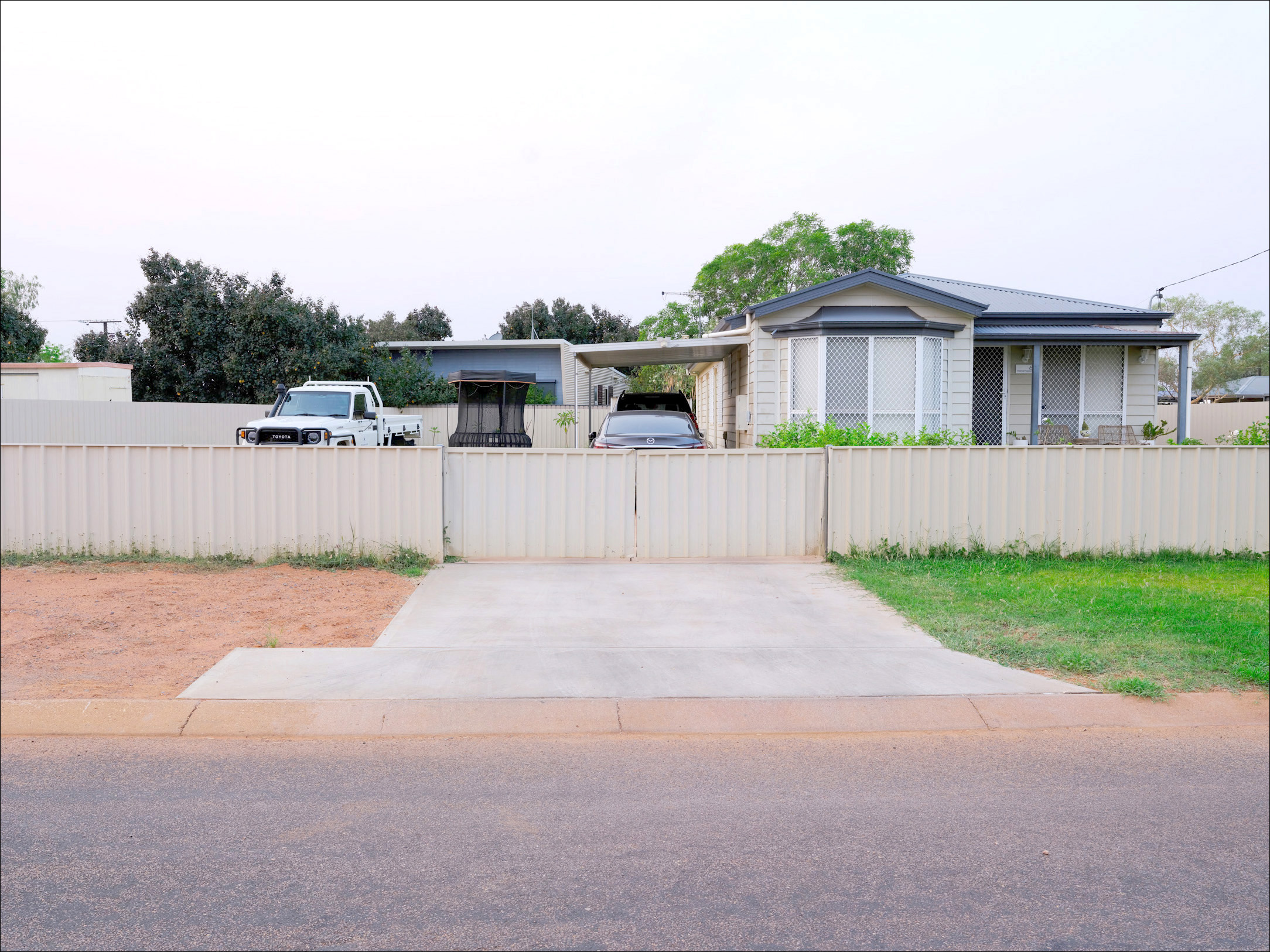
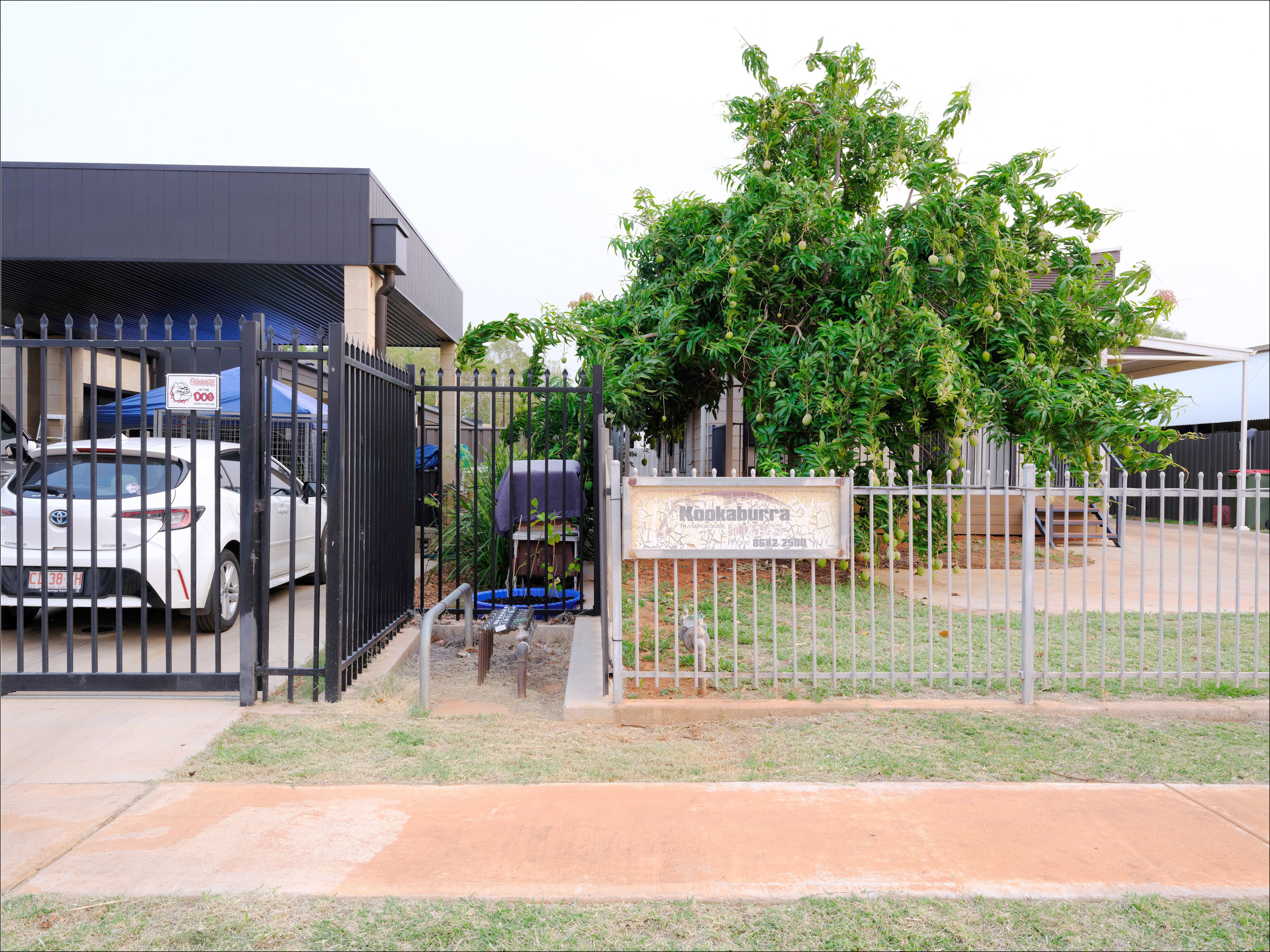
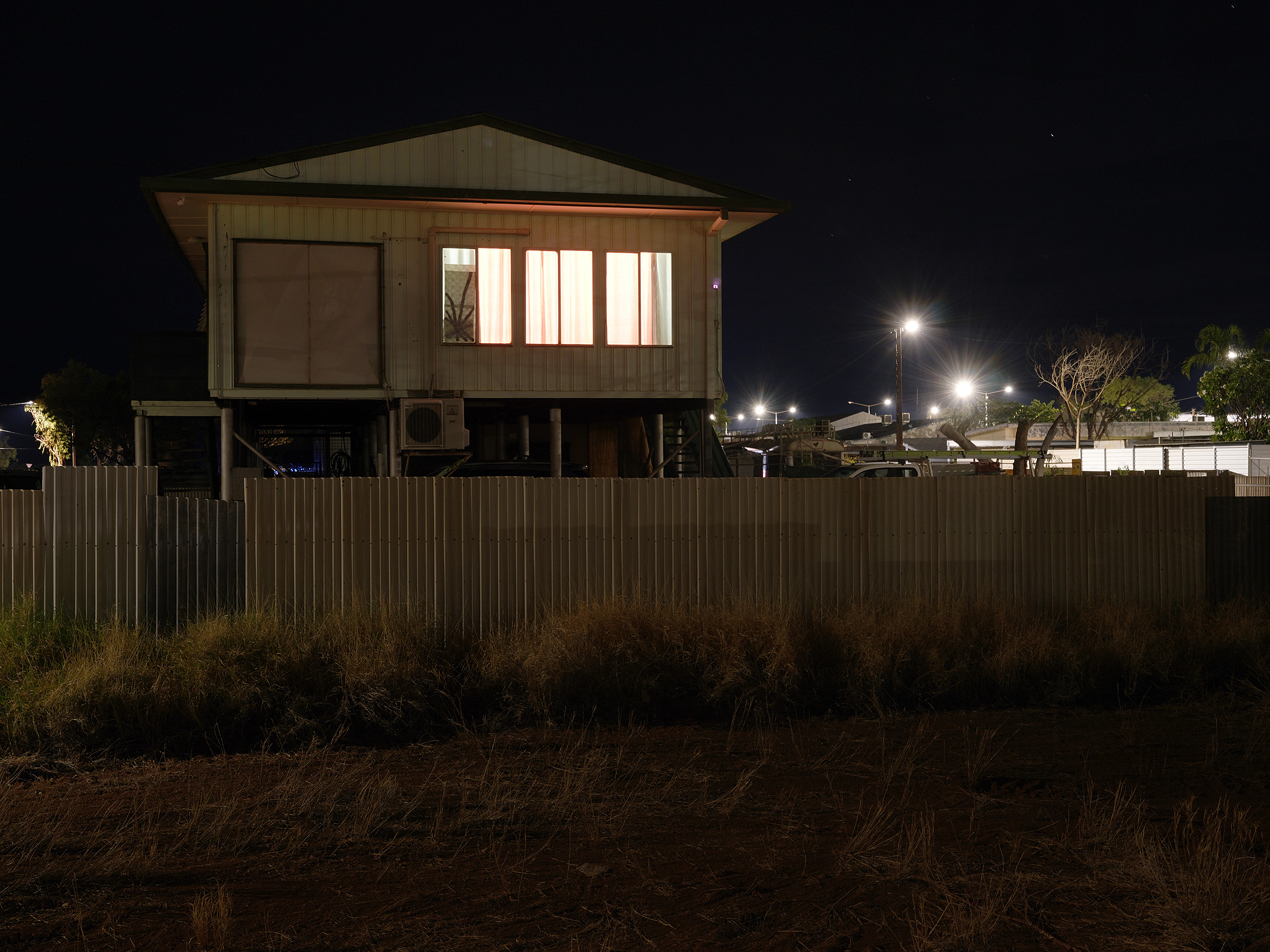
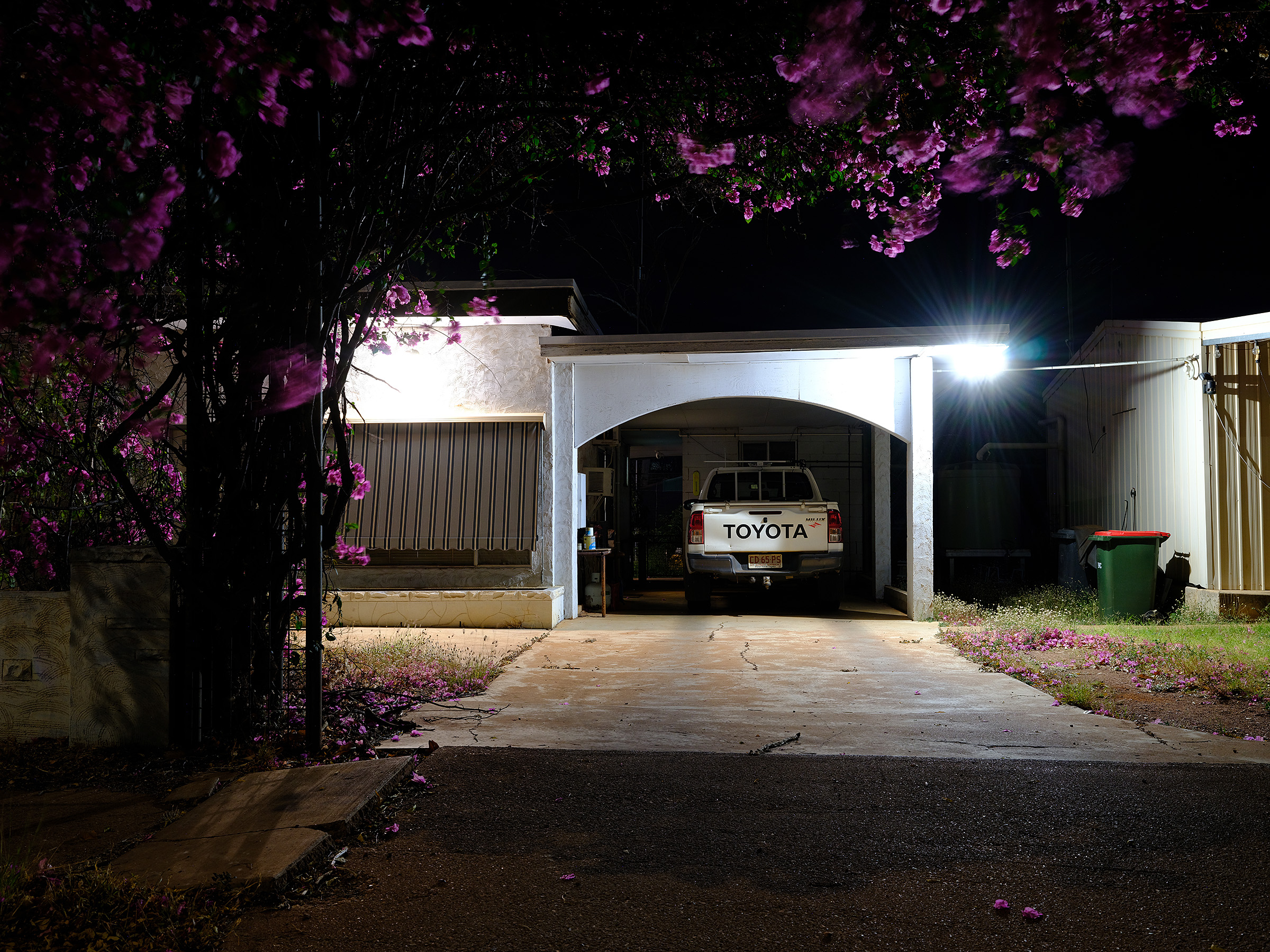
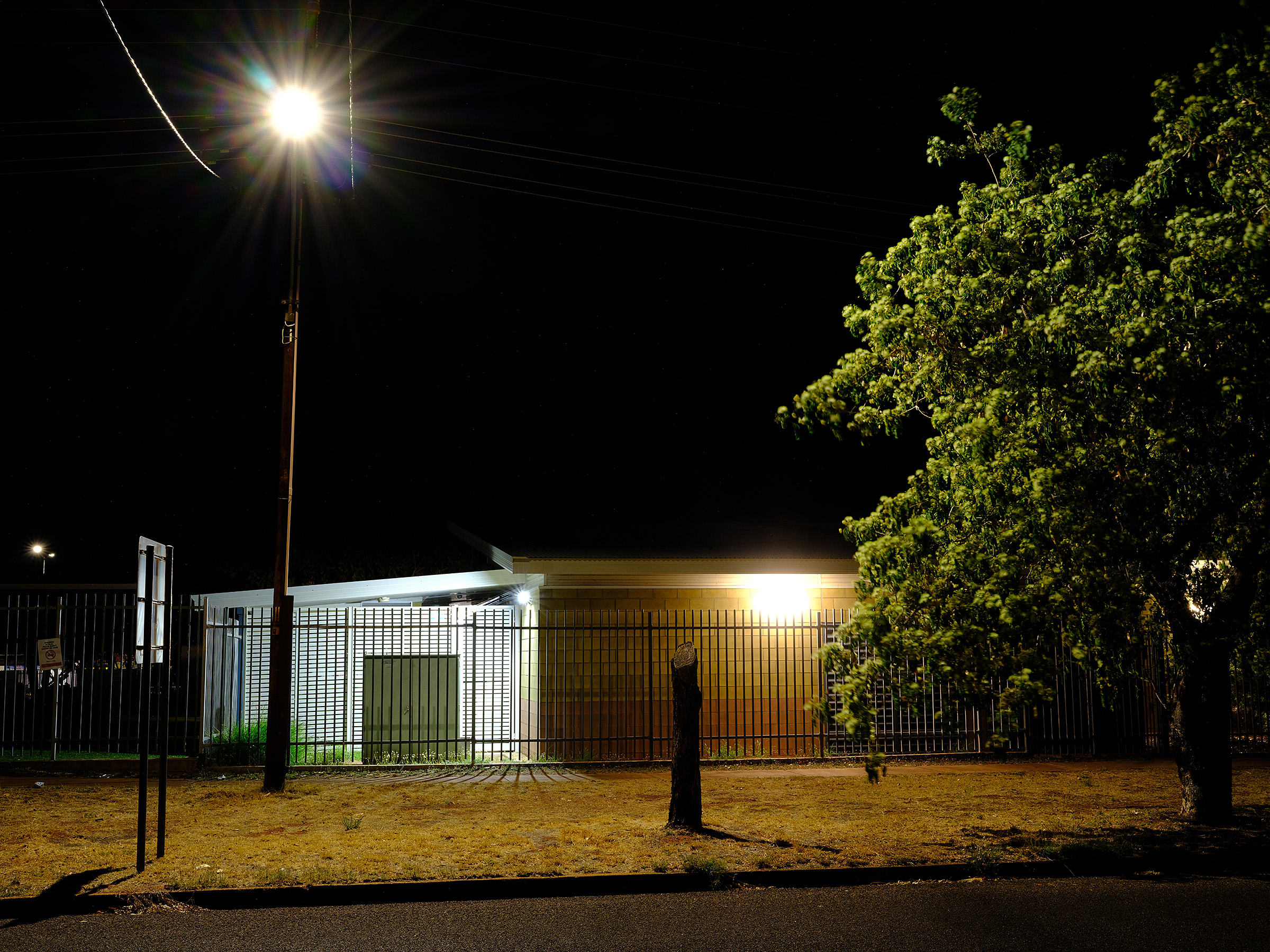
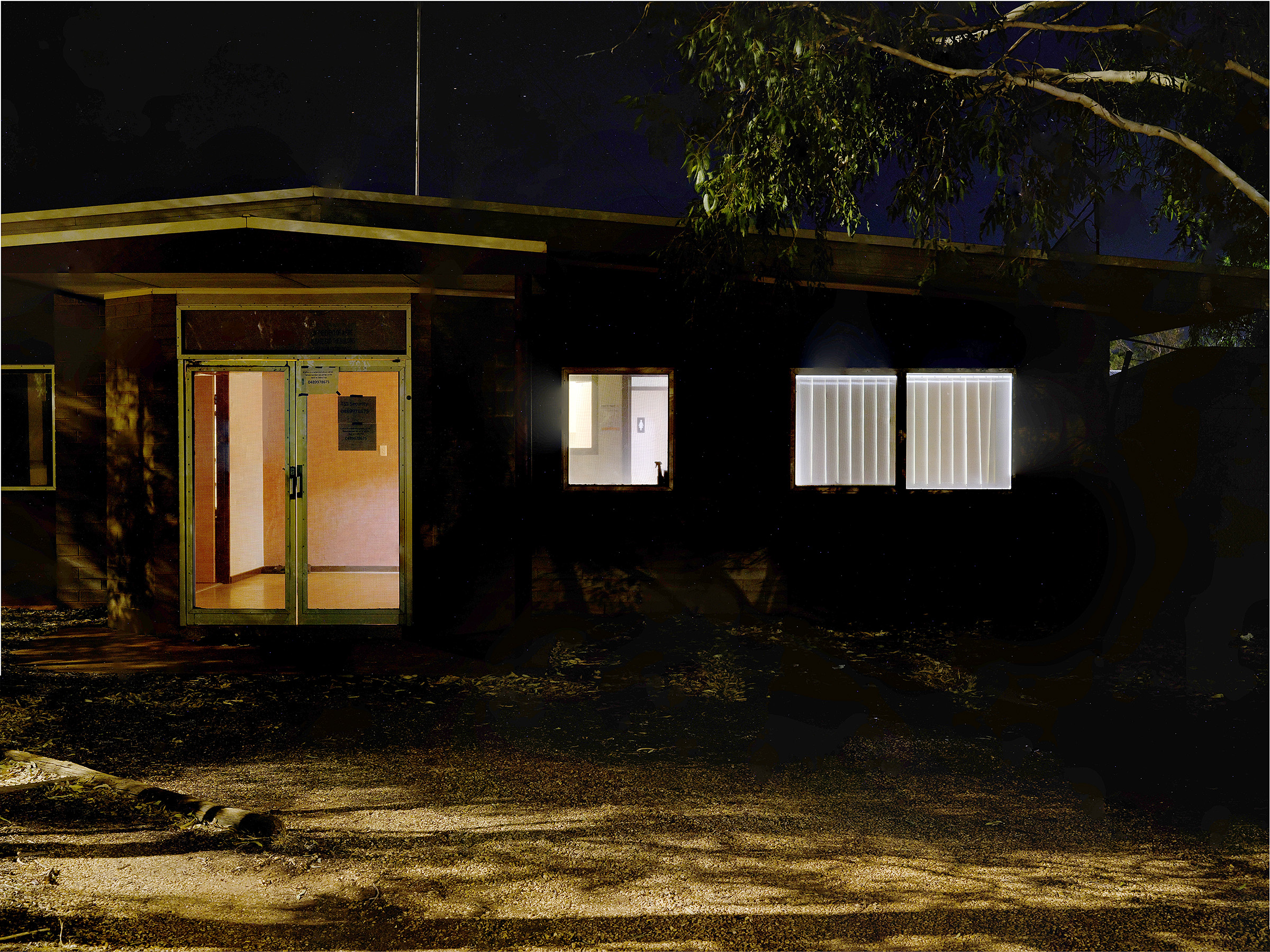
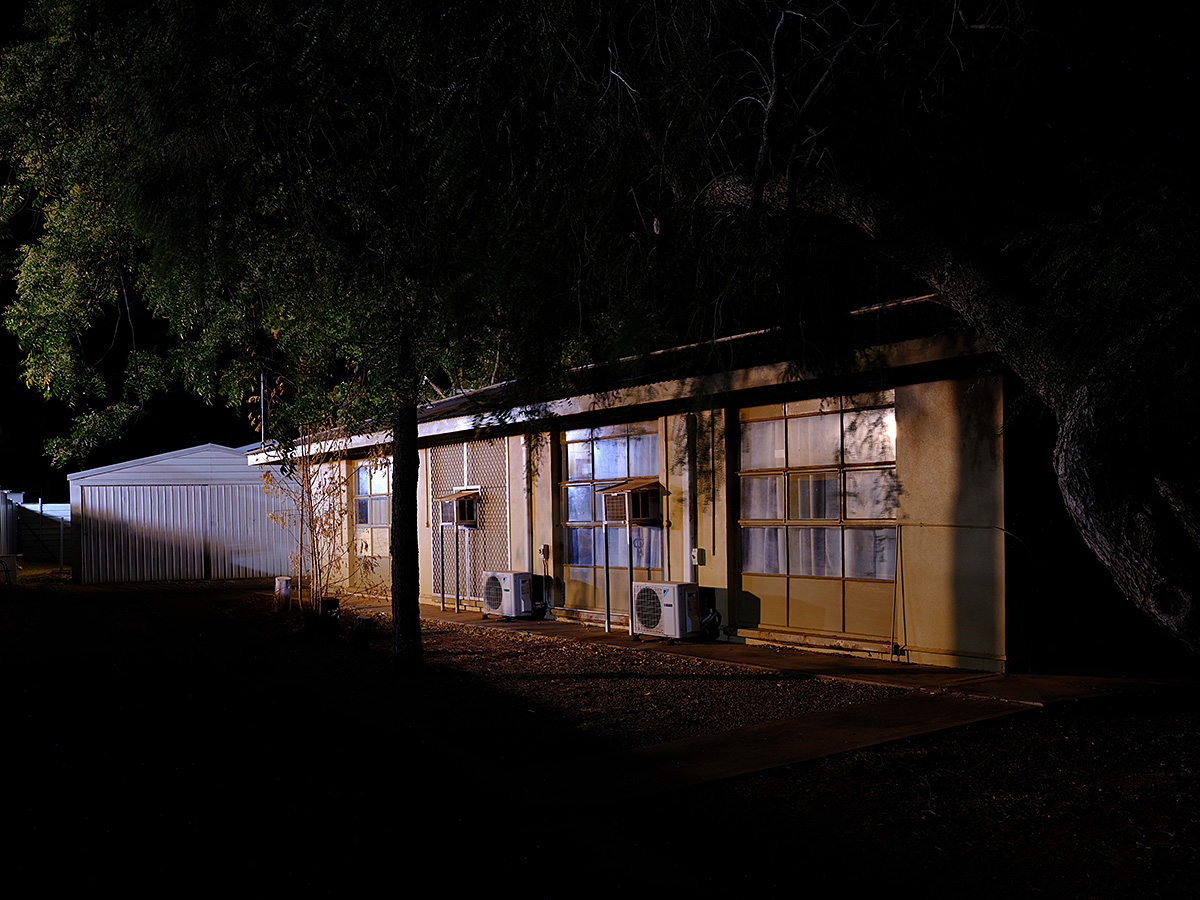
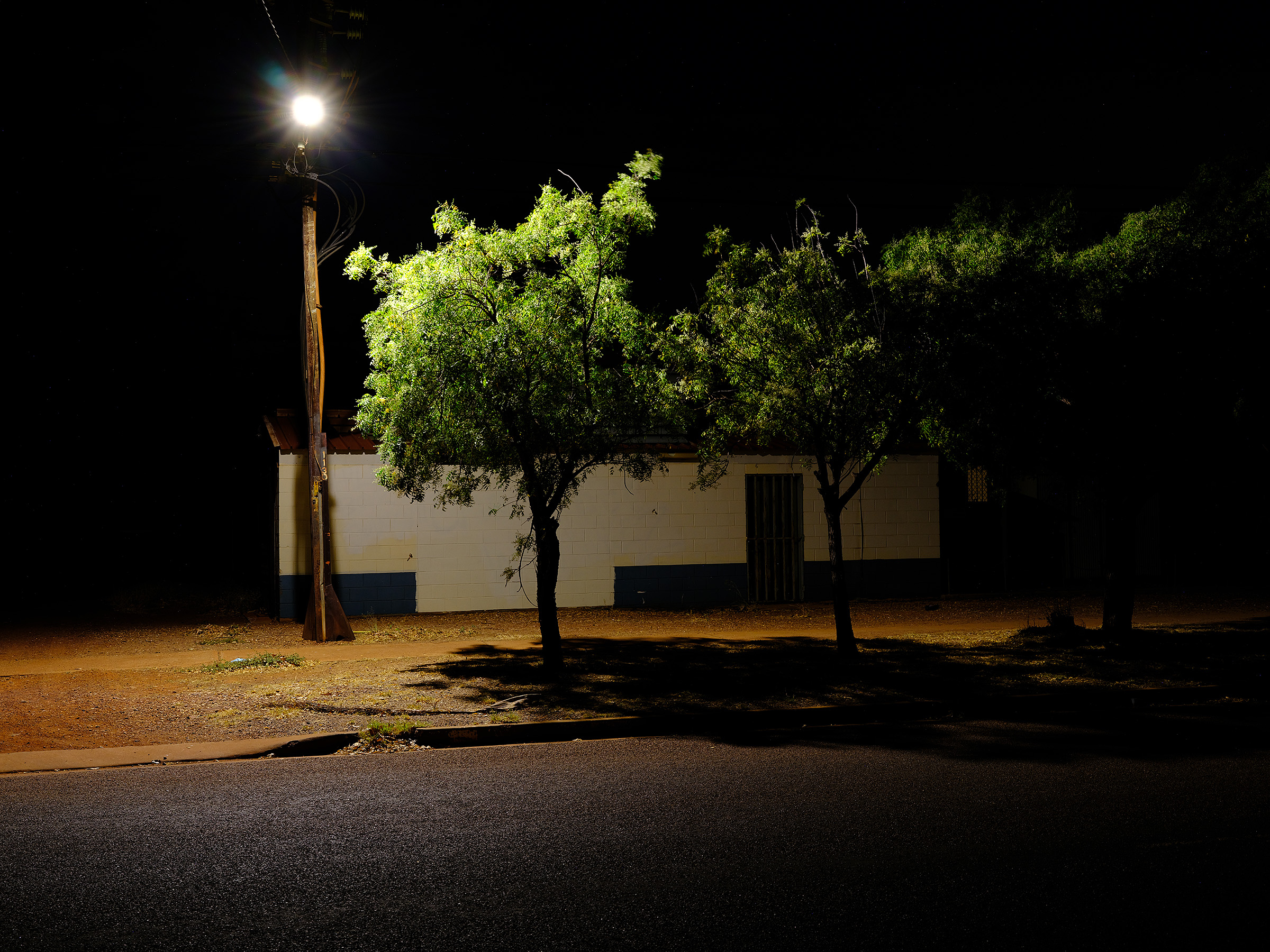
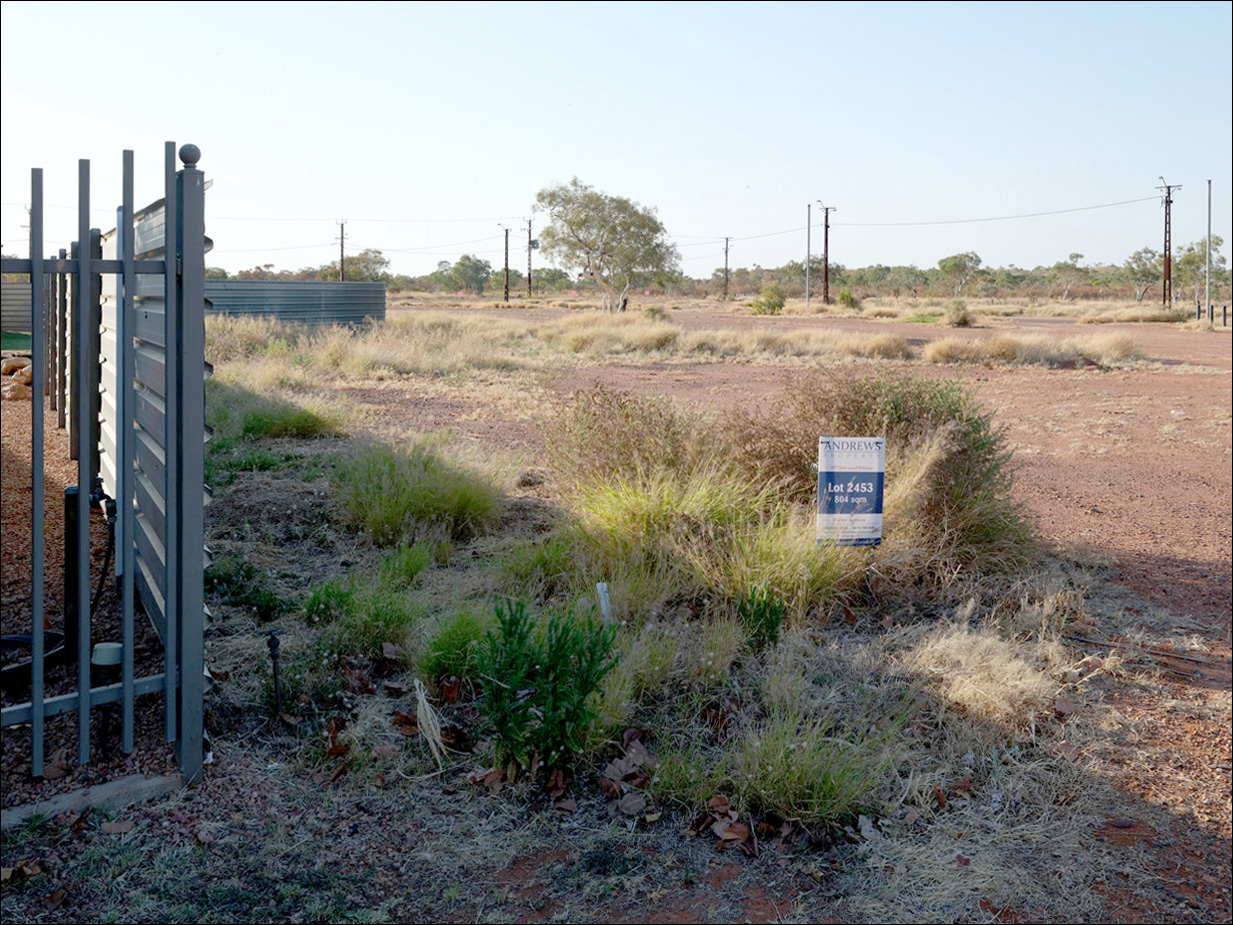
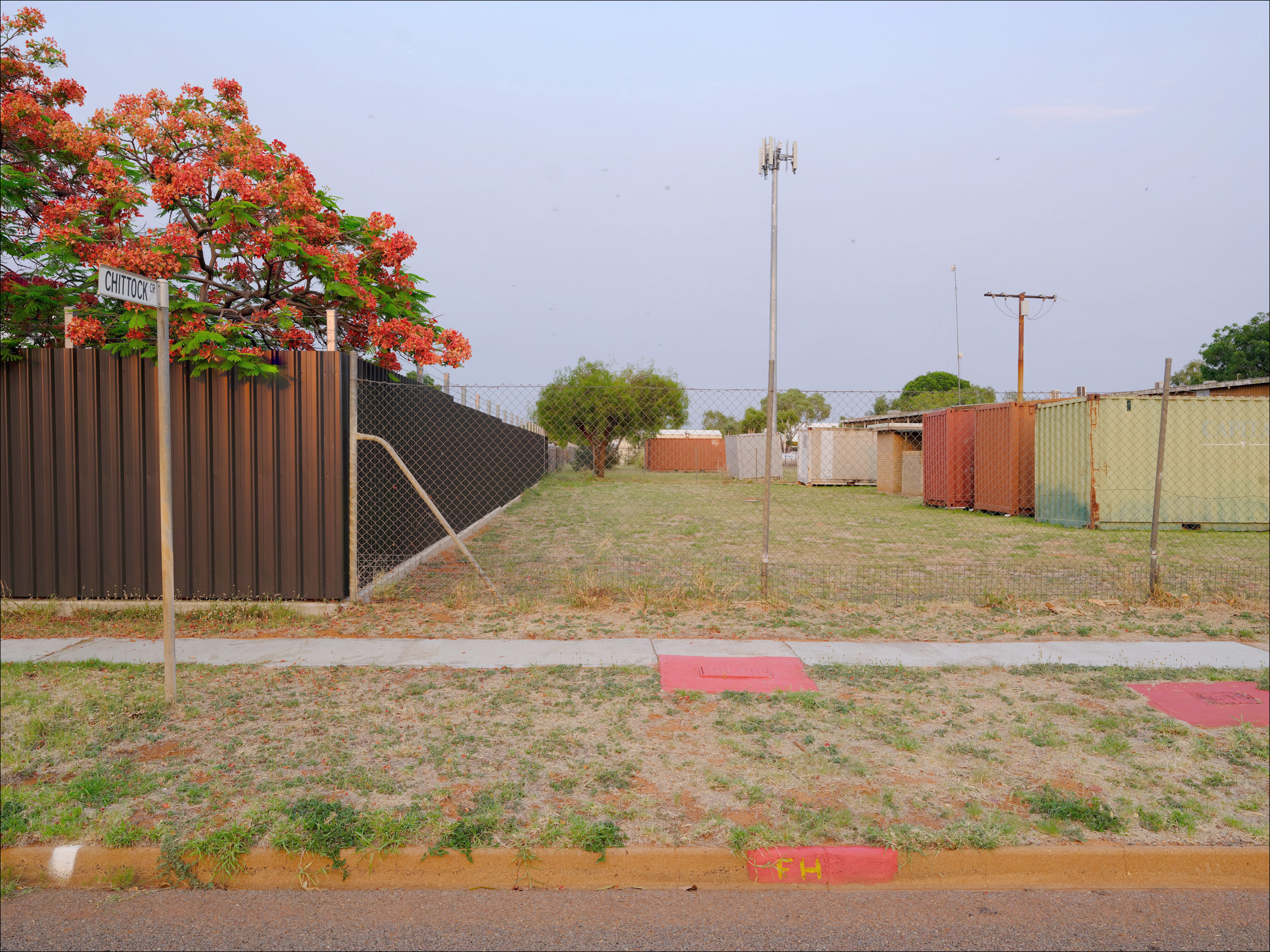
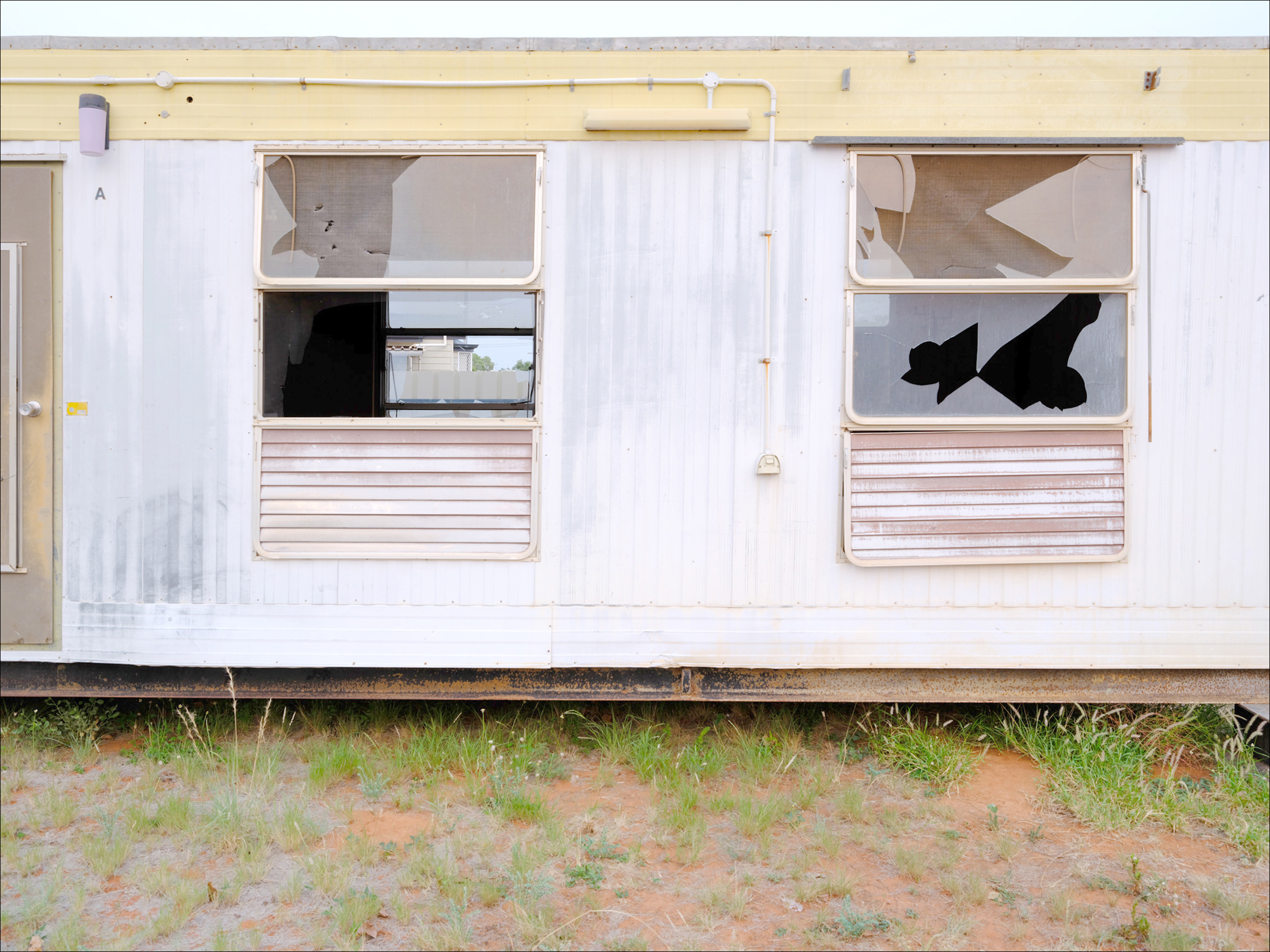
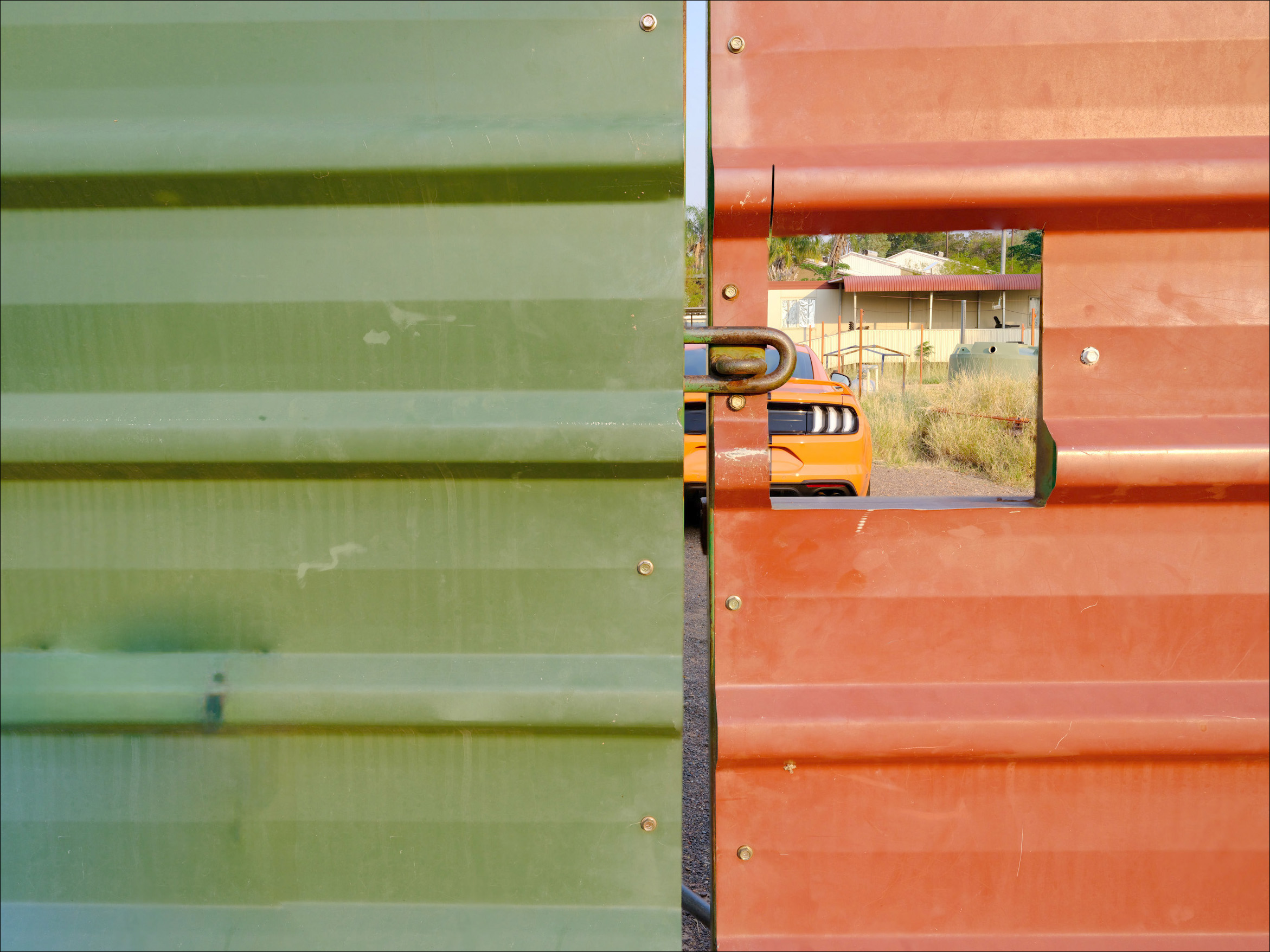
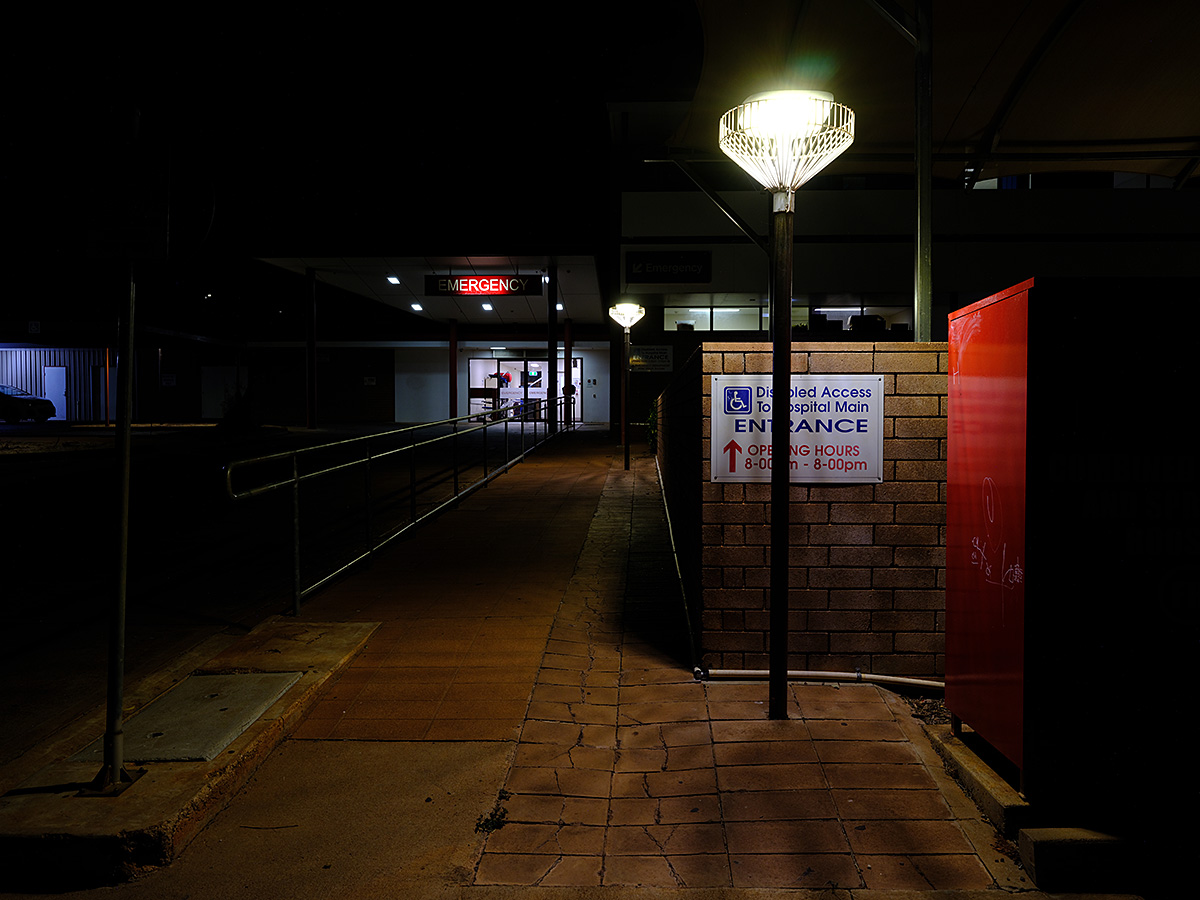
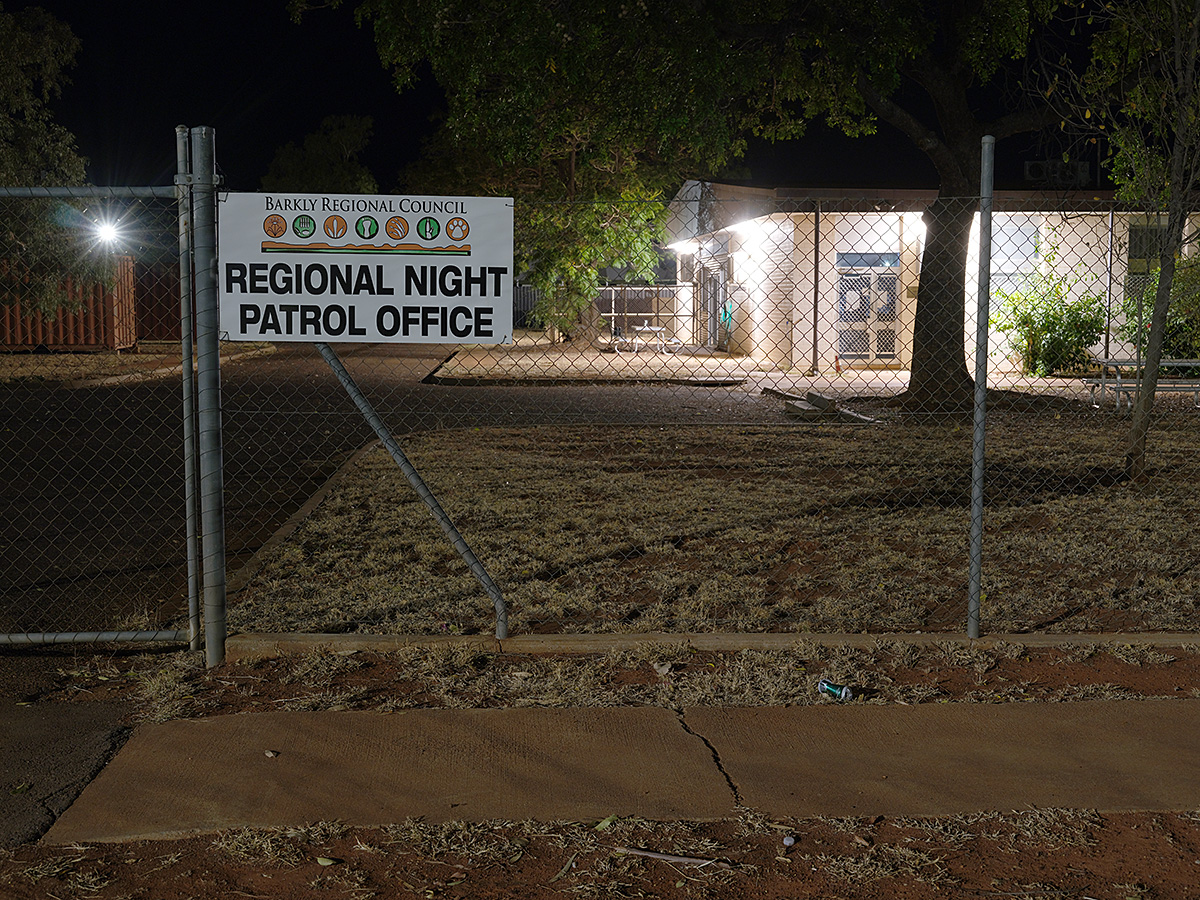
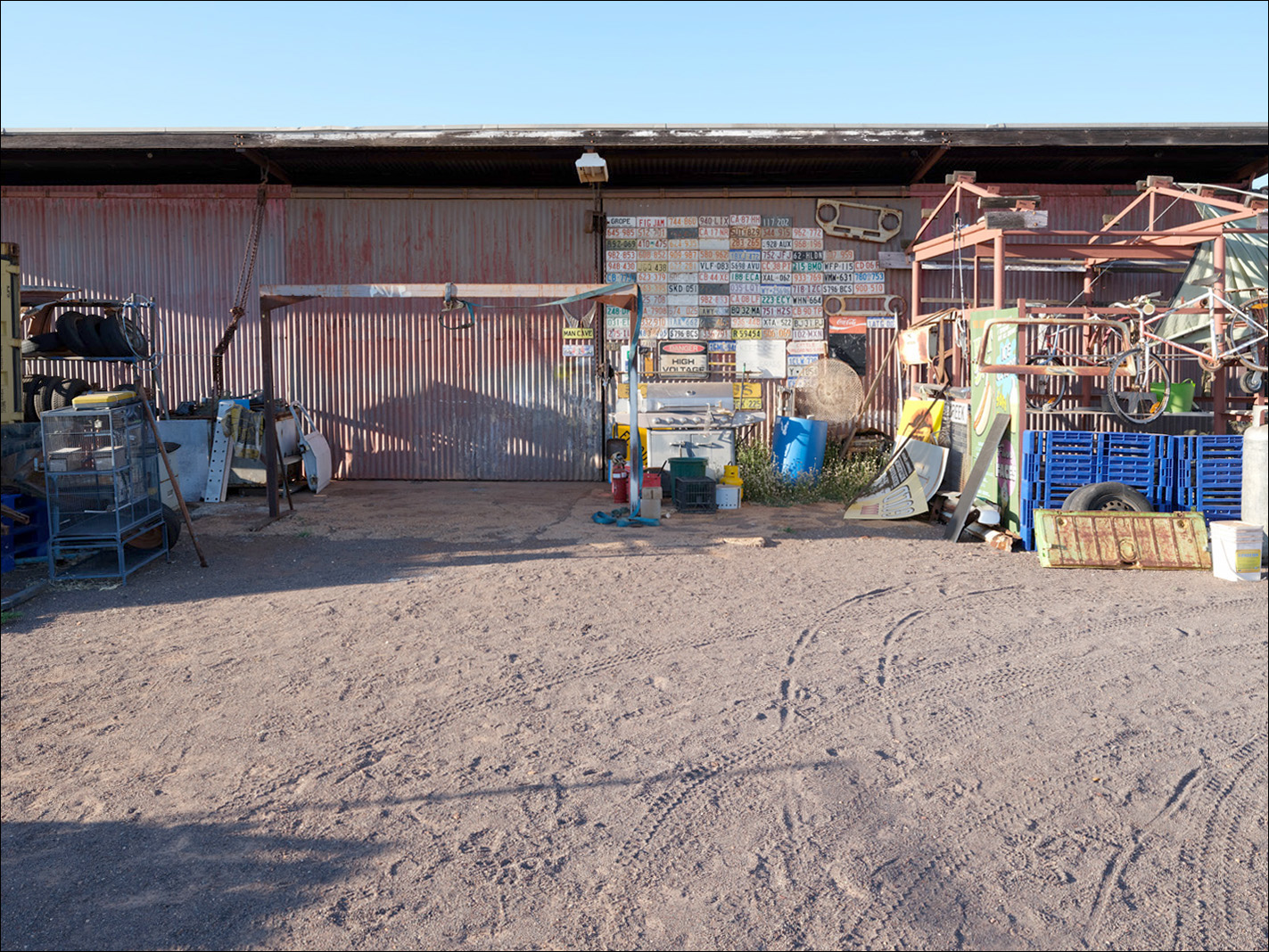
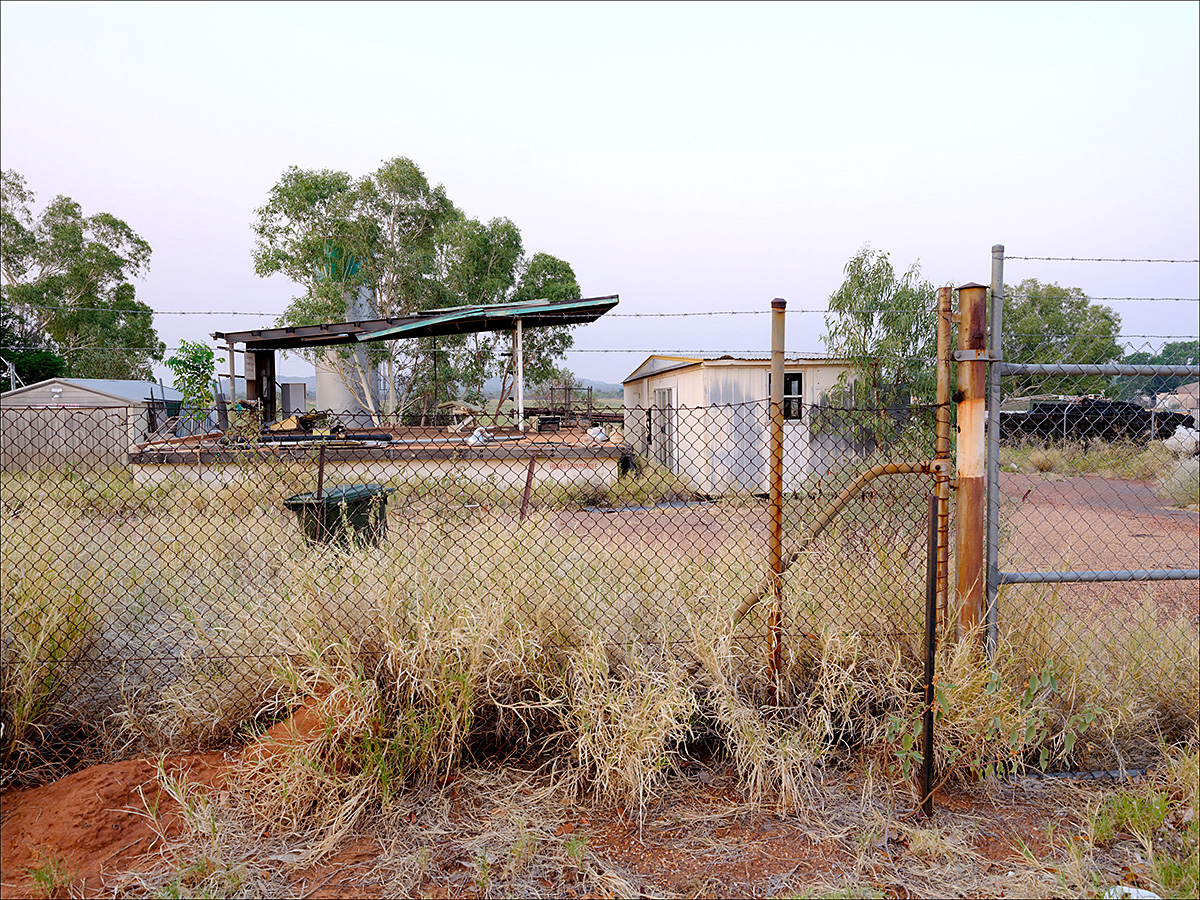
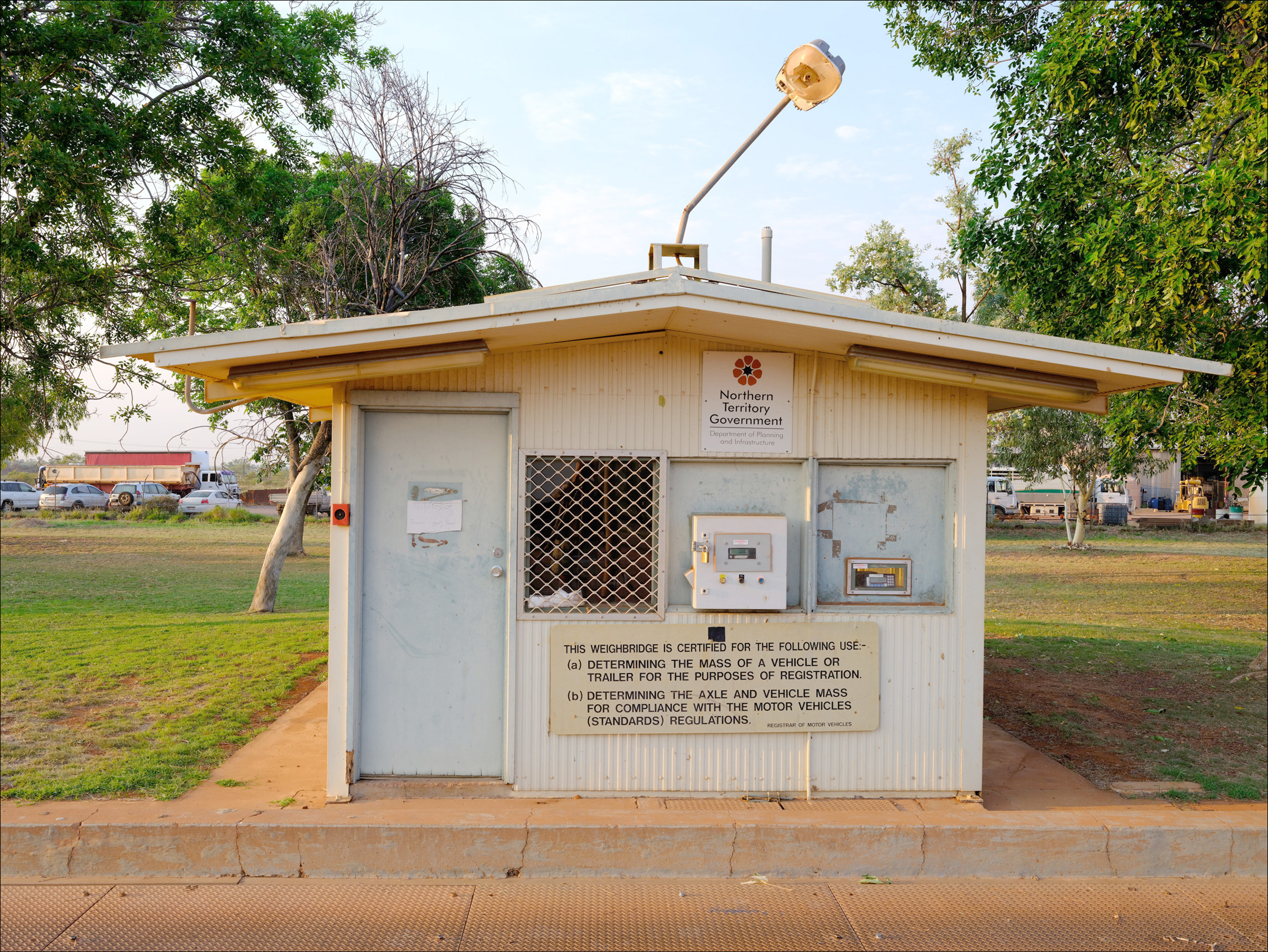
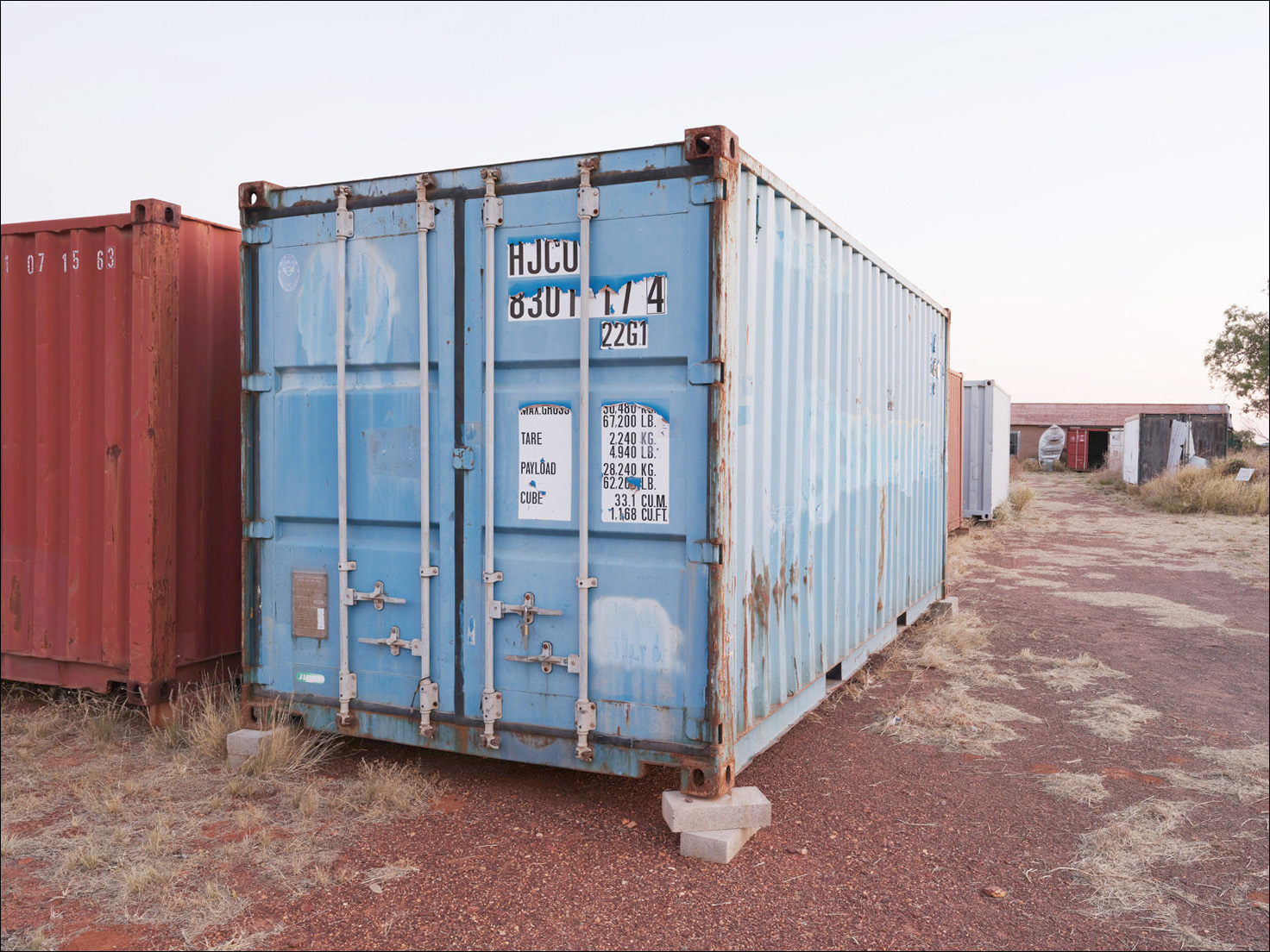
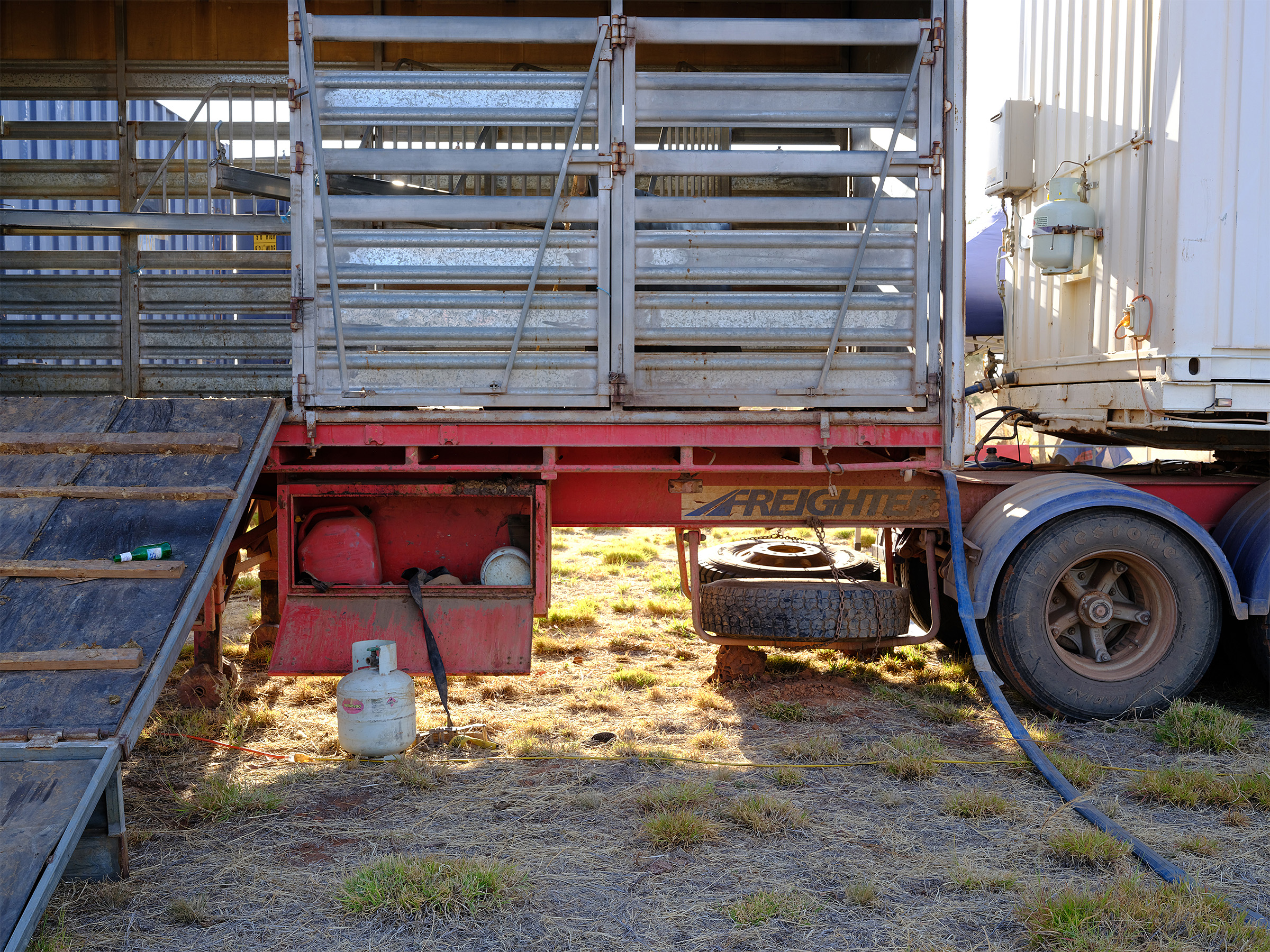
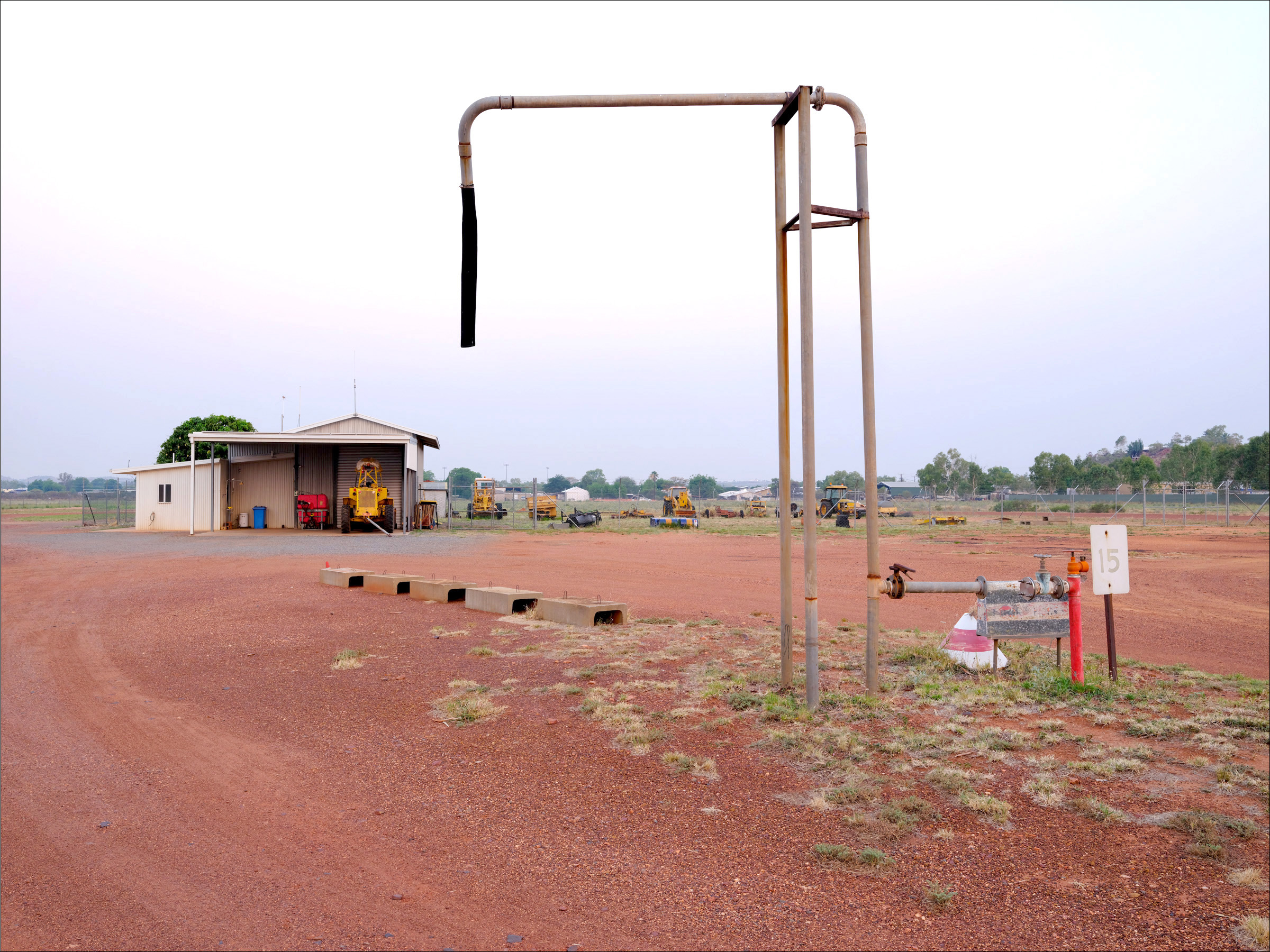
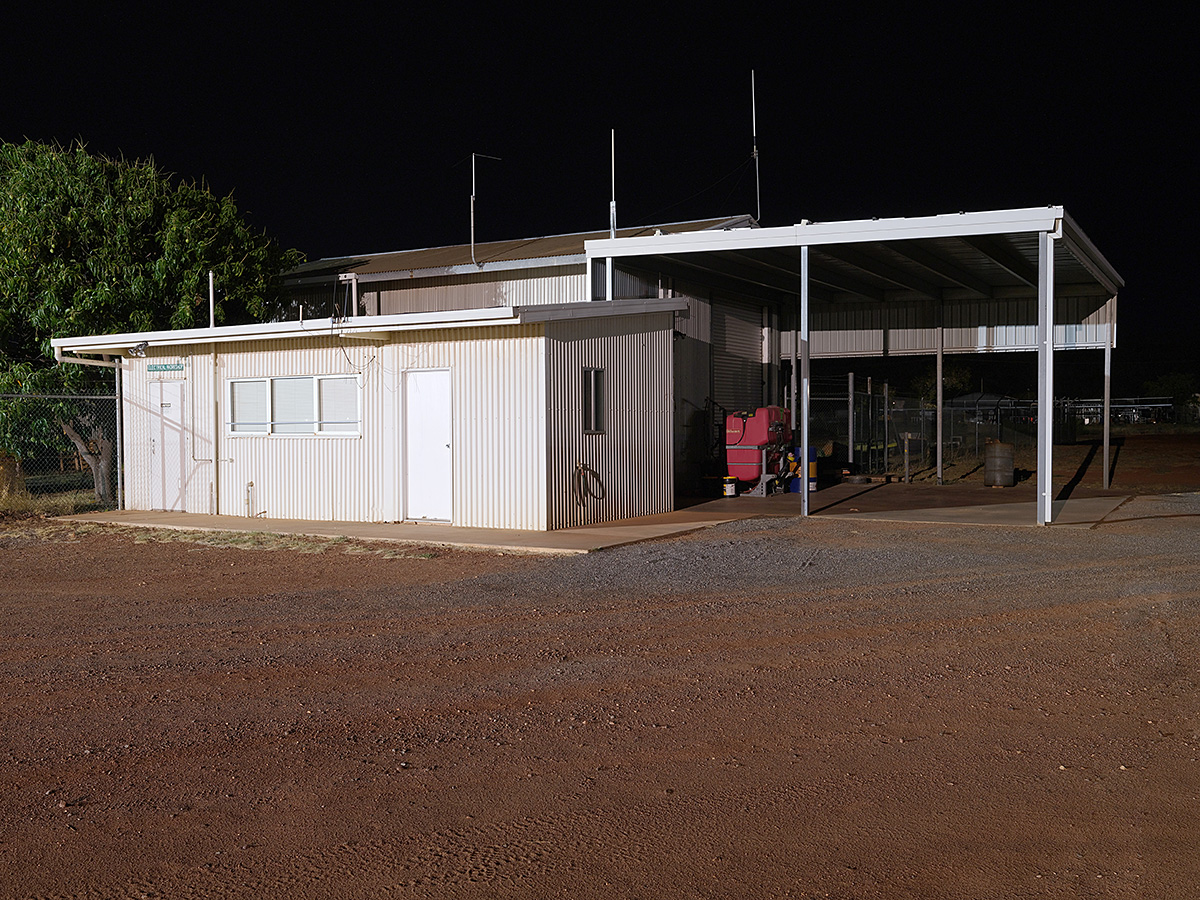
Tennant Creek, a regional township situated on Warumungu Country in Australia’s Northern Territory, forms the focus of an ongoing body of photographic work examining how the built environment registers the spatial friction of a contested national narrative. The project foregrounds the material structures of colonial spatial logic, fences, thresholds, and civic infrastructure, exploring how histories of settlement and resource extraction collide with enduring First Nations sovereignty in everyday space. Developed through sustained engagement with the township while working with Barkly Regional Arts, the work adopts a methodology of visual restraint, examining the physical fabric of the town as quiet evidence of these competing legacies.
Central to this project is Judy Annear’s (2011) concept of the “specificities of place,” a framework that challenges traditional, picturesque depictions of the Australian landscape. Annear argues that a location is never a passive backdrop; rather, it is a dynamic subject where material, historical, and cultural forces constantly intersect. Crucially, Annear highlights the fragmented nature of the Australian photographic tradition, recognising its deep entanglement with the legacy of colonialism. This is further reinforced by Helen Ennis (2007), who demonstrates how photography historically functioned to construct a unified, settler-centric national identity, deliberately rendering landscapes as “empty” to enforce the systemic erasure inherent in terra nullius. By applying this combined critical lens to the built environment of Tennant Creek, the work approaches the town’s physical infrastructure not merely as functional architecture, but as an active, contested site where the unresolved tensions of settler-colonial history and enduring First Nations sovereignty are rendered visible.
Mark Sealy’s (2019) critique of photography as an instrument of colonial rule informs the project’s decolonial ethical framework. In response to a legacy of ethnographic misrepresentation, the series omits portraiture entirely. By focusing on places instead of people, the project seeks to avoid explicitly categorising ‘others’, leaving First Nations stories to be told by First Nations people.
My engagement with this landscape is framed through a personal negotiation of my relationship to Country, as I seek to understand my sense of place in Australia. Drawn to Tennant Creek by its structural and historical resonances with Nhulunbuy, a bauxite mining town on Yolngu Country, Northen Territory that served as my childhood introduction to Australia, I recognise the formative history that shapes my gaze. Acknowledging my positionality as a non-Indigenous photographer and visitor on Warumungu Country, the project adopts a deliberate methodology of visual restraint. Rather than attempting to depict First Nations lived experience, a space belonging strictly to First Nations self-representation, my lens turns exclusively toward the built environment. By focusing on the material structures of colonial spatial logic, fences, thresholds, signage, and civic infrastructure, I subject the built environment to critical interrogation. I examine how these structures attempt to enclose living Country and fortify dominant culture spaces, exposing the underlying community tensions and the ongoing mismatch between colonial governance and First Nations ways of being.
Shaped by colonial exploration, gold mining, and its location as a key waypoint on the Stuart Highway between Adelaide and Darwin, Tennant Creek extends beyond its regional footprint to function as a potent site for examining contested concepts of Australian national identity. At this complex intersection, the township serves as a stark representation of what Ashenden (2022) describes as “unresolved historical wounds” and “the great Australian silence” through the systemic exclusion of First Nations perspectives from dominant national historical accounts. It is within this fraught historical context that the town’s physical infrastructure transforms from mere utility into a loaded visual landscape, demanding a critical interrogation of how colonial histories occupy everyday space.
Engaging critically with the conceptual legacy of the New Topographics movement, its attention to surface, geometry, and the human-altered landscape, the project reclaims measured objectivity as a conscious ethical stance rather than an illusion of value-free neutrality. Shifting between daylight and artificial night light, the series uses light to cultivate stillness, framing ordinary civic structures and spatial thresholds as quiet registers of underlying friction. Ultimately, the work seeks to contribute to an ongoing conversation about how photography might serve not to extract or define, but to re-evaluate everyday space through material evidence. In doing so, it reveals how the physical fabric of Tennant Creek quietly registers a deeper friction: the tension between persistent colonial legacies, an evolving national identity, and the enduring presence of First Nations living culture.
Grant Ellmers 2026